




Knee pain is a very common issue. The knee is a large, complex joint that supports much of the body's weight. It consists of bones, cartilage, ligaments, tendons, and muscles that can all be affected by disease or overuse.
Knee pain becomes more frequent with age because the joints endure repeated stress over a lifetime, and the cartilage gradually wears down. Even without previous injuries, aging can lead to stiffness and increased risk of osteoarthritis due to the body's diminishing capacity to repair joints and connective tissues.
Many people begin to notice mild pain or tenderness around the age of 50, especially after long periods of activity or in the morning. This doesn't necessarily mean there's a serious injury, but it's the body's way of signaling that the knee needs extra support and care.
Common Causes of Knee Pain
Knee pain can arise from various factors, and identifying the exact cause isn't always straightforward. Understanding these causes can help in preventing or alleviating pain. Some knee pain develops over time, while other instances may occur suddenly after an injury or overexertion. Here are some of the most common causes of knee pain:
Osteoarthritis in the Knee
Osteoarthritis is a degenerative joint disease where the cartilage in the knee joint gradually breaks down. The cartilage acts as a cushion between the bones. When it wears away, the bones grind against each other, causing pain, stiffness, and reduced mobility. Symptoms include pain during movement, stiffness particularly in the morning or after rest, swelling, reduced mobility, and eventually, pain even when resting.
Osteoarthritis most commonly affects older individuals and is often seen starting from ages 40-50, especially if the knee has been previously injured or subjected to long-term strain.
Overuse and Sports Injuries
Knee pain can also result from overuse, such as repetitive movements, starting physical activity too quickly, or weak muscles around the knee. This can lead to tendonitis, runner's knee, or meniscus injuries.
Other Causes
Other causes can include joint inflammation, loose cartilage, fluid accumulation behind the knee, or pain radiating from the hip or back to the knee.
Is it Beneficial to Use Knee Braces?
Knee braces can be beneficial when used appropriately. They offer gentle compression, which can reduce swelling and pain, provide a sensation of stability, and help you move more confidently without fear of pain. However, it's important to understand that knee braces don't heal osteoarthritis or regenerate cartilage. They function as symptom relief and should be combined with exercises, physical activity, and perhaps physiotherapy.
Types of knee braces include elastic braces for warmth and light support, more supportive braces for unstable knees, and specific braces for osteoarthritis designed to relieve pressure where cartilage is most worn. It's crucial to choose a brace that fits your knee shape and activity level, ensuring it feels comfortable without restricting blood flow.
What's the Best Knee Brace for Knee Pain?
If you've sustained a knee injury, or if your pain has come on suddenly and is severe, it's wise to have your knee evaluated by a doctor or physiotherapist. Professionals can help determine the cause of your pain and provide guidance on exercises and the selection of aids. This way, you minimize the risk of choosing a brace that either provides insufficient support or restricts movement more than necessary.
There are many different types of knee braces and supports, each developed for specific needs. Your choice depends on whether your pain stems from osteoarthritis, overuse, prior injuries, or reduced knee stability. Below is an overview of the most common types of knee braces and their uses.
Soft and Elastic Knee Braces
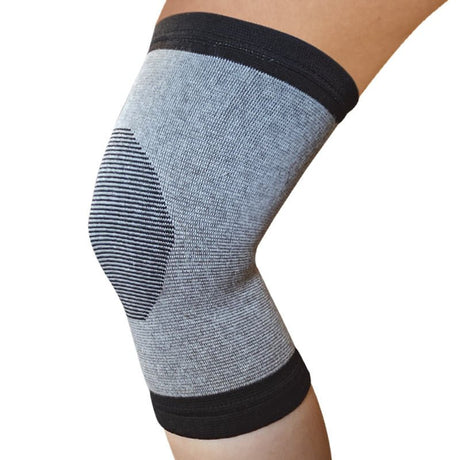
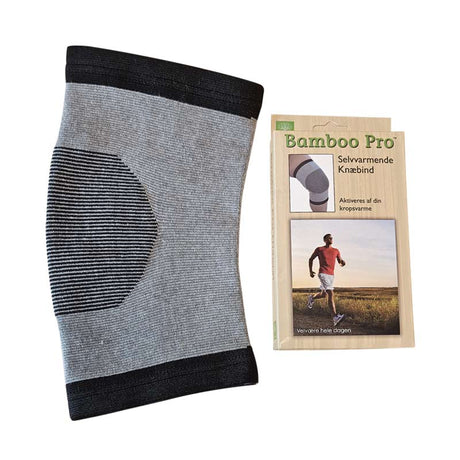
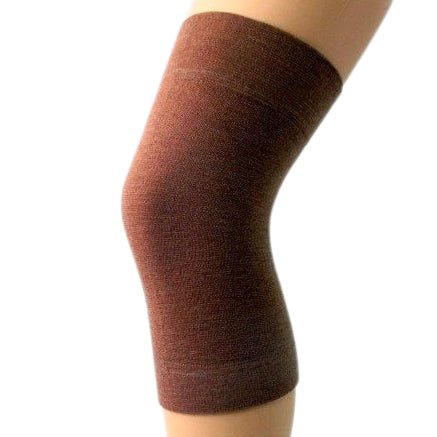
These knee braces are made from light and flexible material, making them easy to take on and off. They provide light compression around the knee, helping to reduce swelling and soreness. They also often have a warming effect that can soothe stiff muscles and joints. Elastic knee braces are ideal for mild pain, overuse, early osteoarthritis, or as daily support during walking and regular activities. They don't significantly restrict movement, so many people can use them throughout the day.
More Stable Knee Braces with Side Supports or Hinges
These knee braces have a firmer construction and offer more noticeable stabilization of the knee joint. They are typically used for more significant instability, post-surgery, or with more complex knee issues where extra support is needed to move correctly. The side supports and hinges help guide the knee's movement and can reduce the risk of awkward twists. The more stable and rigid a knee support is, the more it restricts movement, so these are often used in consultation with healthcare professionals.
Knee Braces with Open Patella (Hole for Kneecap)
Many knee braces are designed with an opening around the kneecap, also known as the patella. The purpose is to relieve pressure directly on the kneecap while providing support around the knee. This type of knee brace can be advantageous if you experience pain around the kneecap during activities like climbing stairs, standing up, or walking for extended periods. The open patella helps keep the kneecap properly aligned and can offer more comfortable support without pressing on the most sensitive area.
No matter which type of knee brace you choose, it needs to fit well and feel comfortable. A knee brace should support you, not irritate you. Many find that the right knee brace can increase confidence in movement and make it easier to stay active every day, especially when combined with regular, gentle exercise.
How Long Can You Wear a Knee Brace?
There isn't a strict rule, but generally, it's recommended to wear knee braces during periods when you're active and need support, such as walking, exercising, or when the knee feels unstable.
The brace should be removed when resting to ensure the knee muscles stay active. If a knee brace feels too tight or causes tingling, cold, or pale skin, it should be adjusted or removed.
What Exercises Are Good for Knee Pain?

Here's a simple overview of exercise types that are generally gentle and suitable for osteoarthritis, overuse, and age-related knee issues.
Low-Impact Cardio Exercise:
- Leisurely walking
- Cycling, preferably on a stationary bike
- Swimming or water aerobics
These activities keep the knee moving without placing too much stress on the joint.
Simple Strength Exercises:
- Sit in a chair and slowly extend and retract your leg
- Lift a straight leg while lying on your back
- Light knee bends with support from a wall or chair
Strength exercises help the muscles around the knee relieve the joint itself.
Balance and Stability:
- Stand on one leg at a time (hold onto a chair)
- Gentle weight shifts from side to side
These exercises can enhance stability and reduce the risk of misalignment.
Buy Knee Braces from Us
A knee brace can be a great help if you experience pain, stiffness, or instability in the knee during daily life. It provides steady support around the joint, eases movement, and can make walking and everyday activities more comfortable. Many also experience increased confidence because the knee is better held in place.
There are different types of knee braces depending on your needs, from light and flexible models to more supportive versions for more severe issues. It's important to choose a knee brace that fits your situation. At Seniorshop, you'll find a selection focused on comfort and functionality.