Boost Your Protein Intake Daily – Even with Low Appetite
Many seniors and those who are ill often experience a reduced appetite, making it challenging to obtain sufficient nutrition throughout the day. At the same time, the body's need for protein increases with age, especially for those with a small appetite or at risk of malnutrition.
Protein is crucial for maintaining muscle, strength, and energy in everyday life. Insufficient intake can lead to weight loss and decreased functionality.
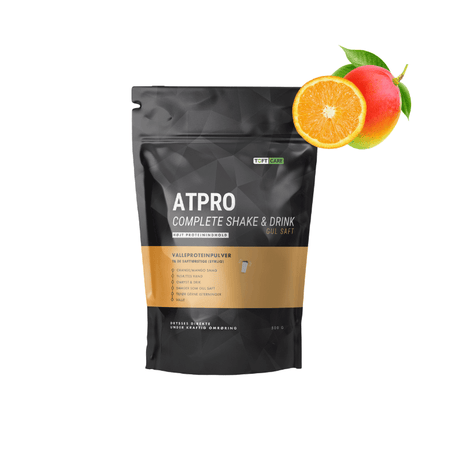
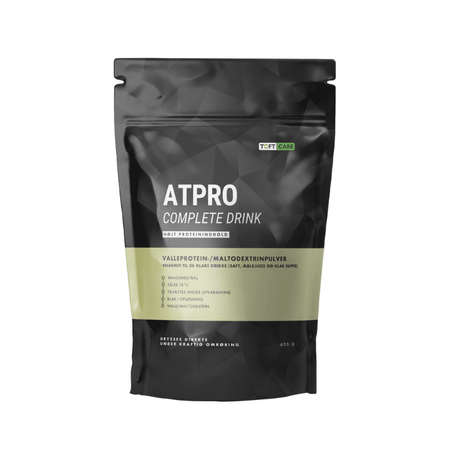
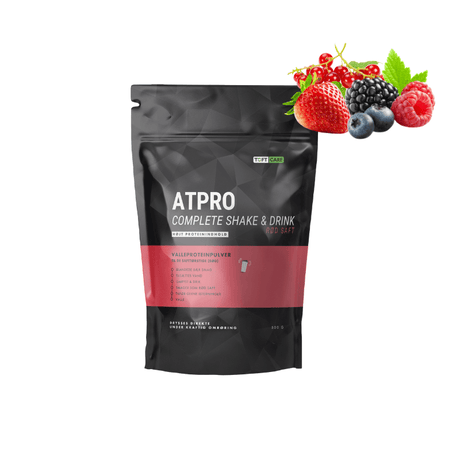
Protein drinks, protein powders, and other supplements offer an easy and effective way to boost your nutrition without the need for large meals.
Protein Drinks and Powders – Convenient Nutrition in Small Portions
For those with a smaller appetite, getting nutrition in smaller quantities can be beneficial. Protein drinks and powders offer a practical solution.
Ready-to-drink protein beverages require no preparation and can be consumed as a snack or dietary supplement. Protein powder can be mixed into milk, yogurt, or porridge, making it simple to increase protein intake with the food you already enjoy.
Benefits of Protein Supplements:
- Easy to consume – even with low appetite
- Minimal preparation needed
- Can be spread throughout the day in small portions
- Helps meet the body's protein requirements
For many who are malnourished or have a small appetite, these solutions can make a significant difference in daily life.
When Dealing with a Small Appetite or Malnutrition
It's common for appetite to change with age or illness. This can be due to factors like fatigue, medication, illness, or lifestyle changes.
Not consuming enough over time can lead to malnutrition, meaning the body doesn't receive the necessary energy and nutrients.
Signs may include:
- Unplanned weight loss
- Reduced muscle strength
- Fatigue and low energy
- Decreased desire to eat
In these situations, it's important to consume more energy and protein in an easy-to-consume form. Protein supplements can provide valuable support in everyday life.
How to Increase Protein in Your Diet
It's not about eating more, but eating smarter. Small adjustments can make a big difference.
Tips:
- Eat small, frequent meals instead of fewer large ones
- Add protein powder to yogurt, porridge, or drinks
- Use protein drinks as a supplement between meals
- Choose energy-dense and protein-rich products
Seniors often have an increased need for protein, which may be even higher during illness.
By supplementing with protein, it becomes easier to meet daily requirements – even when appetite is low.
This type of nutrition is specifically developed for seniors, those with a small appetite, and the malnourished, focusing on making essential nutrients accessible in a functional everyday context.
 See more452,00 krUnit price /Unavailable
 Sold out