Your pelvic floor is an important but often overlooked group of muscles. With the right exercises, you can strengthen your pelvic floor, prevent issues, and enjoy an active, worry-free life. This guide takes you step by step through effective pelvic floor exercises.
Just as we train our arms and legs to keep them strong, it’s just as vital to maintain the health of your pelvic floor. This group of muscles forms the base of your pelvis, acting like a 'hammock' to support your bladder, bowels, and pelvic organs. When these muscles are strong, they help you control key bodily functions and enhance stability in your lower back and hips.
As we age, our muscles—including the pelvic floor—naturally lose some strength and elasticity. For women, earlier pregnancies or childbirth can have an impact, while men may notice weakness after procedures like prostate surgery. A strong pelvic floor is essential for maintaining your quality of life and minimizing discomfort caused by weakened muscles.
Why is pelvic floor training so important?
There are many benefits to a well-trained pelvic floor. Most importantly, it’s the most reliable way to both prevent and relieve unintentional urine leakage (incontinence). Research shows that focused pelvic floor training can ease or even resolve urinary problems for 60–70% of people who practice regularly.
And the benefits go beyond that! A stronger pelvic floor also offers:
- Better posture: Your pelvic floor works together with your deep abdominal and back muscles to keep your core strong and stable.
- Reduced risk of falls: Many falls in older adults happen at night due to sudden urges to use the bathroom. Strengthening the pelvic floor can decrease nighttime trips to the toilet, lowering the risk of falls.
- Greater confidence: When you trust your body, you can stay active, socialise, and travel without worry.
Pelvic floor training matters just as much for men as for women. In men, it supports the bladder and bowels, and training is especially helpful after lower abdominal surgery.
How to identify the right muscles
The hardest part of pelvic floor exercise is often locating the correct muscles. Because you can't see them, it’s easy to unintentionally tense your buttocks, thighs, or abdomen. The correct squeeze will feel like a lift and tightening deep inside your body.
To find these muscles, try the following technique:
- Lie on your back with your knees bent, feet flat on the floor. Let your whole body relax.
- Imagine holding in gas. Squeeze your anus closed.
- Notice how the contraction moves forward toward your urethra and lifts slightly inside your body.
- Be careful not to squeeze your buttocks or hold your breath. You should be able to breathe calmly while you squeeze.
A good squeeze starts at the anus and spreads forward toward the urethra, feeling as if you are lifting your pelvic floor up and inward—not pushing downward.
Your daily training program
Once you’ve found the right muscles, you’re ready to start training. To get the best results, target both endurance and quick-response muscle strength. Here’s a simple daily program you can follow:
1. Endurance squeezes
These exercises help your muscles hold tight for longer periods.
- Squeeze and hold for 5–10 seconds.
- Release slowly, then rest for twice as long as you squeezed (10–20 seconds). Let your muscles relax completely between each contraction.
- Repeat 8–12 times.
2. Quick squeezes
These target how quickly your muscles can respond, such as when you cough or sneeze.
- Squeeze as hard as you can for 1–2 seconds.
- Let go completely.
- Repeat 10–20 times at a brisk pace.
Aim to train two to three times daily. The beauty of pelvic floor workouts is they can be done anywhere—while watching TV, reading, or waiting for the bus. Remember that building strength takes time, so it’s completely normal if it takes 3–6 months of steady practice before you see the full effect. Patience and consistency are key.
If you’re unsure if you’re using the right technique, it’s a great idea to see a physiotherapist. Using the wrong technique can sometimes make symptoms worse.
Discreet solutions for confidence as you train
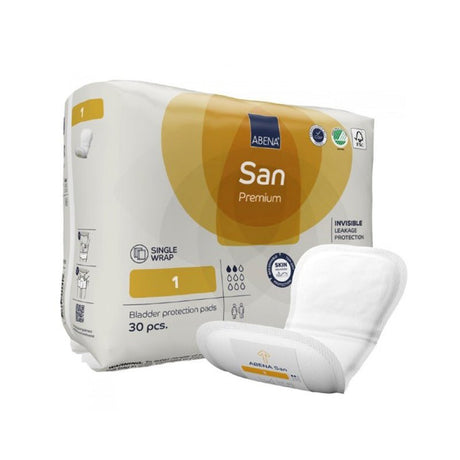
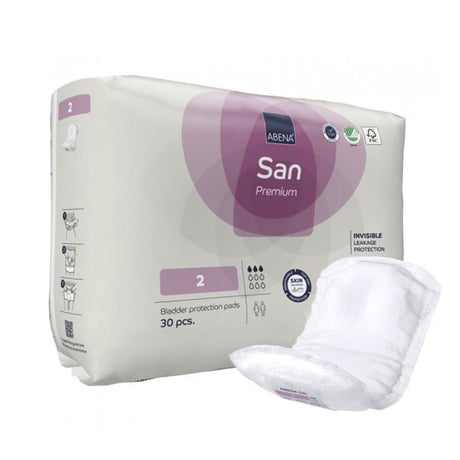
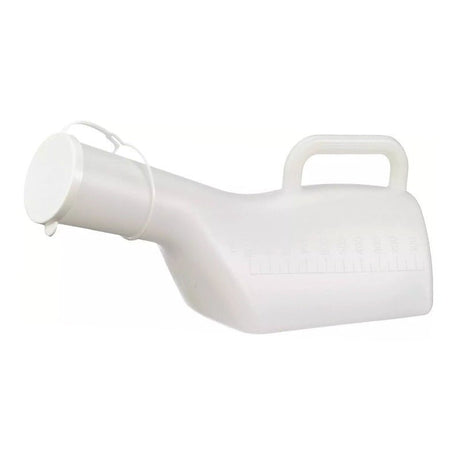
While pelvic floor exercises are very effective, building muscle takes time. If you’re dealing with bladder control issues in the meantime—or for any other reason—there are plenty of discreet products to help you feel secure. They allow you to continue living an active, comfortable life without worry.
We offer a wide selection of products specially designed to make your daily routine easier and more comfortable.
Browse our incontinence products →
Make pelvic floor training a habit
Invest in your wellbeing by making pelvic floor exercises a regular part of your day. If you make them a habit—like brushing your teeth—you’ll help your muscles stay strong and flexible. It’s never too late to start, and even a small effort can significantly boost your comfort and confidence.