Heating Pads and Cooling Pads for Natural Pain Relief
A heating pad is a simple and effective tool when you need to relieve pain, loosen tense muscles, or simply warm up on a chilly day. Heat therapy is a recognized method to alleviate everything from neck and shoulder tension to back pain, muscle knots, and stiff joints – many find it a beneficial natural alternative or supplement to painkillers.
Electric Heating Pad, Gel Pad, or Cooling Pad – What Suits You?
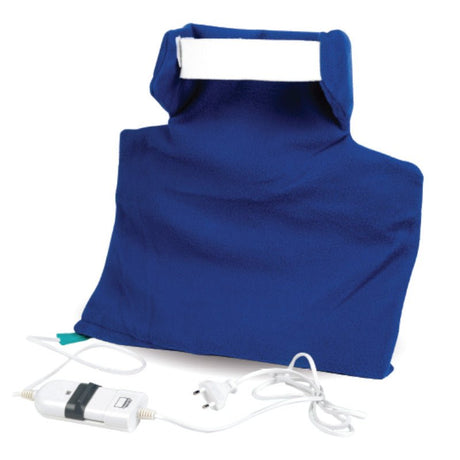
There are several types of heating pads, and the choice depends on your needs. An electric heating pad offers constant and even heat, which you can adjust yourself, making it ideal for sustained pain relief in the back, lower back, and shoulders.
A gel pad can be quickly heated in a microwave or hot water and is flexible enough to mold to the body's contours – most gel pads can also be used as cooling pads by placing them in the freezer. To relieve fatigue, swollen eyes, or tension headaches, a soft eye pad with light compression can make a significant difference.
Microwave Heating Pad
A microwave heating pad is a popular and practical choice because it is quick to prepare and easy to use. In just a few minutes in the microwave, the pad is ready to provide you with soft, natural warmth – without cords or electricity. Microwave heating pads are typically filled with natural materials such as cherry stones, wheat grains, or rapeseeds, which retain heat well and release it evenly over time. The natural weight from the filling offers many an extra soothing sensation, which can help relieve tension in the neck, shoulders, and back. Always follow the instructions for heating time and power to avoid overheating the pad.
When to Use Heat – and When to Use Cold?
Choosing between heat and cold depends on the type of pain or discomfort you are experiencing:
- Use heat for chronic pain, muscle tension, muscle knots, stiff joints, and in rehabilitation. Heat increases blood flow, softens tissues, and dampens nerve pain signals.
- Use cold for acute injuries, swelling, and inflammation. Cold constricts blood vessels, reduces swelling, and provides localized pain relief.
- A good rule of thumb is to start with cold for the first 1-2 days after an acute injury, then switch to heat once the swelling decreases.
Tips for Safe Use
For the best and safest experience, heat or cold should always feel comfortable and soothing – never burning or painful. Place a towel or cloth between your skin and the pad if it is very hot or cold, and limit treatment to 15-20 minutes at a time.
Avoid falling asleep with an electric heating pad unless it is equipped with an auto shut-off feature, and do not use heat therapy for acute injuries with swelling, active inflammation, or open wounds.

 25% offSee more227,00 kr
 See more152,00 krUnit price /Unavailable
 Sold out
 Sold out
 Get help here
 Sold out
 Sold out
 Sold outSee more136,00 krUnit price /Unavailable