See clearly with magnifying glasses and reading magnifiers
With a magnifying glass or reading magnifier, you can read letters and numbers more easily and spot specific details. A magnifying glass is an invaluable aid for people who have difficulty seeing the small print in a newspaper or book clearly. It is also a practical tool if, for example, you collect stamps or coins and need to study specific details closely. That is why magnifying glasses are highly useful and valued tools for hobby enthusiasts and creative individuals who enjoy working with small items and crafts.
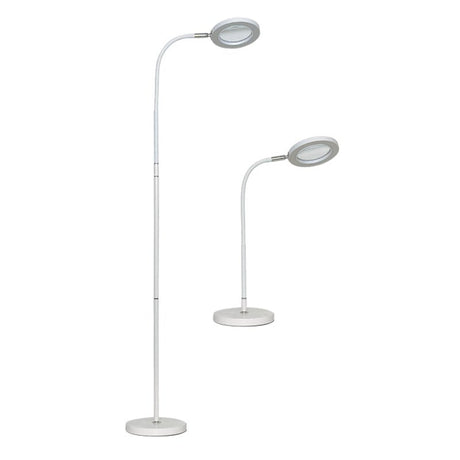
Choosing a magnifying glass with a light can be especially beneficial, as it makes all the small details even easier to see.
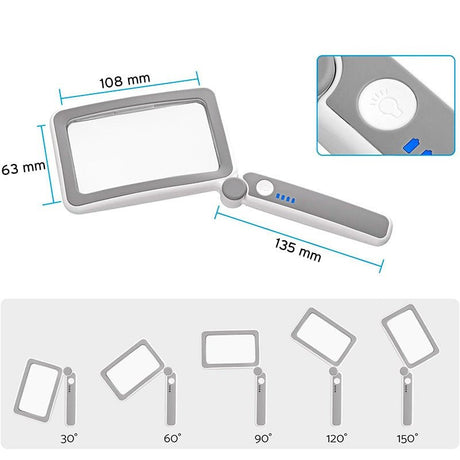
Reading magnifier with light
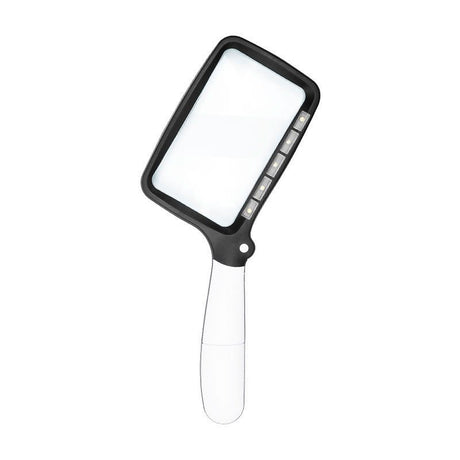
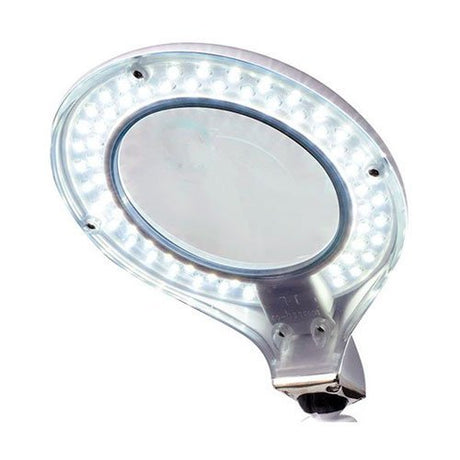
A magnifying glass with a light works in much the same way as a standard magnifying glass. The glass creates the magnification through the curvature of its surface, while the magnifier also features built-in lighting. The advantage of an illuminated magnifying glass is that it makes reading easier in places with limited light or complete darkness.
Magnifying glasses with lights are ideal for reading in a room with subdued lighting or taking a good book outside on a late summer evening. Reading with some light is beneficial for the eyes, as it helps the eye muscles relax more easily. The retina can adjust to subdued lighting to some extent, but the eyes have to work much harder when there is not enough light and you also need to read and concentrate. Constantly reading in insufficient light can be harmful to the eyes over time and may, among other things, contribute to short-sightedness.
How does a magnifying glass work?
A magnifying glass is a visual aid for people with low vision that works by enlarging objects. As we age, our vision tends to change, and many older people experience vision problems. Fortunately, there are many different solutions that can help you see better, including glasses and magnifying glasses. A reading magnifier with a light is designed to focus specifically on particular objects and can therefore serve as a smart alternative or supplement to glasses, making objects appear larger and more visible to the eye.
One of the benefits of using a magnifying glass is that it reduces strain on your eyes. Our eyes are an extremely valuable and sensitive part of the body, so it is important to take good care of them—and we can do this, among other ways, by using visual aids for people with low vision, such as glasses or a magnifying glass.
Choose the right magnifying glass
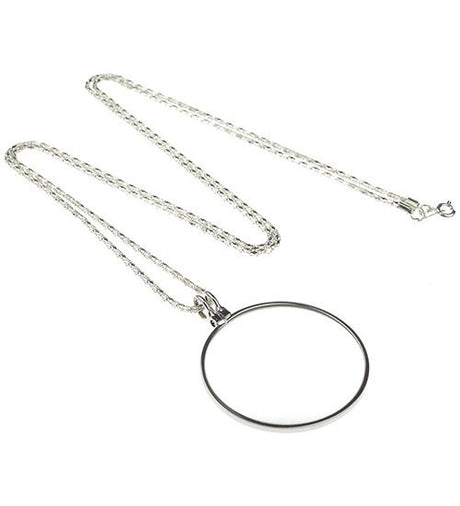
A magnifying glass is not simply a magnifying glass; there are many different types for different purposes. For example, a good pocket magnifier or handheld magnifying glass is effective for checking prices in shops, but it is not particularly suitable for crafts. It is therefore always a good idea to own more than one type of magnifying glass, depending on your needs.
Here you can read more about the types of magnifying glasses and reading magnifiers we offer, as well as their possible uses:
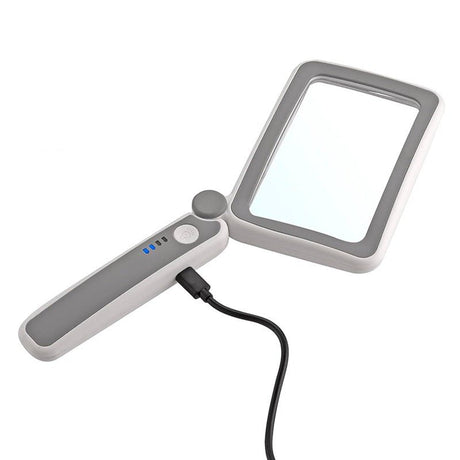
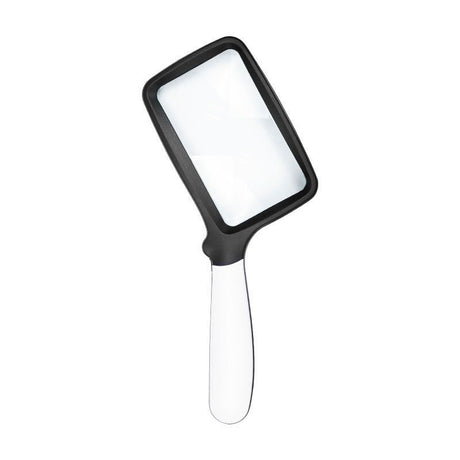
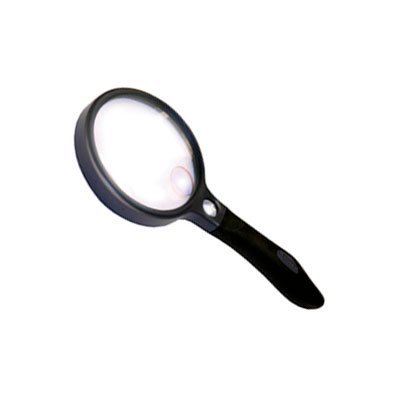
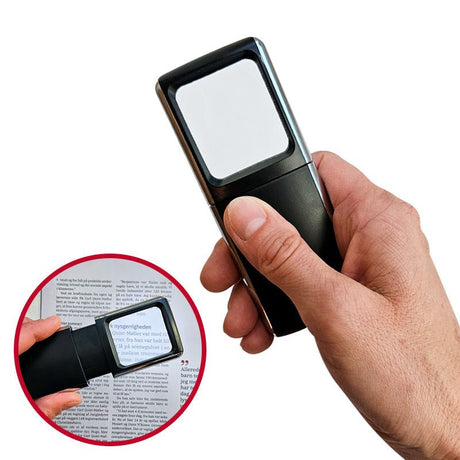
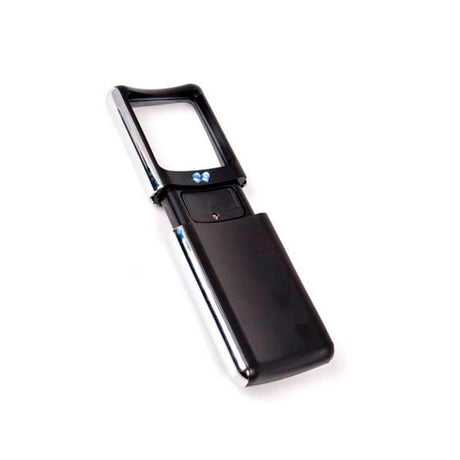
- Reading magnifier: As the name suggests, a reading magnifier is used to read letters and numbers in newspapers, books, product labels, price tags and more. These magnifiers are often handheld, making them easy to take with you, but they are also available as desk magnifiers if you need to keep your hands free while reading.
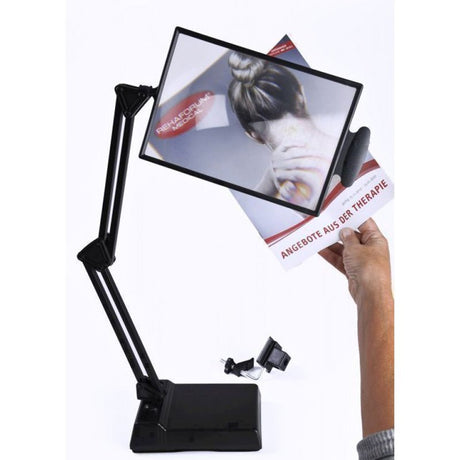
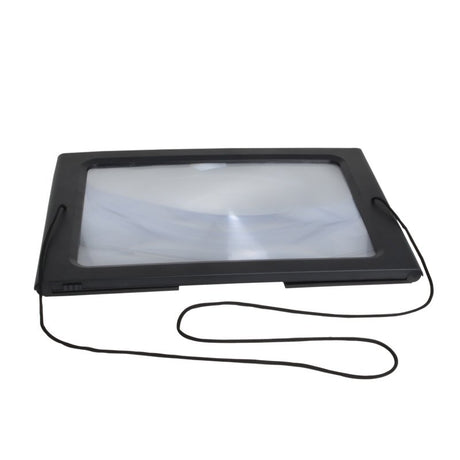
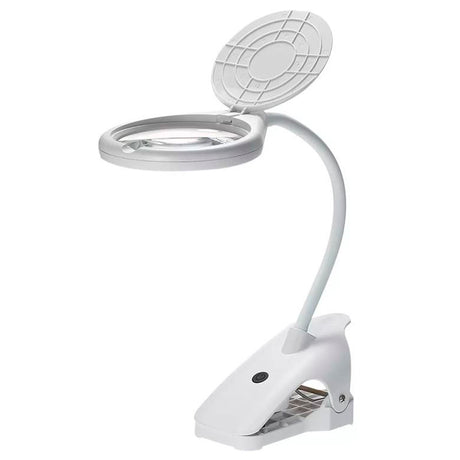
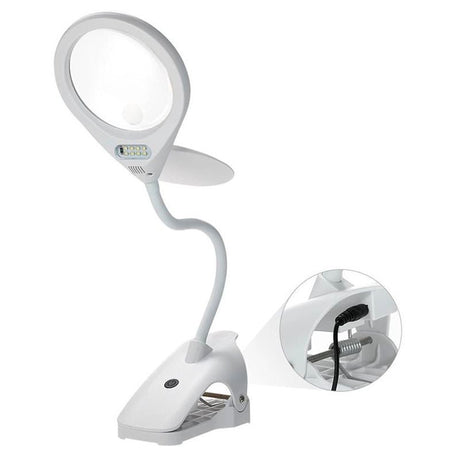
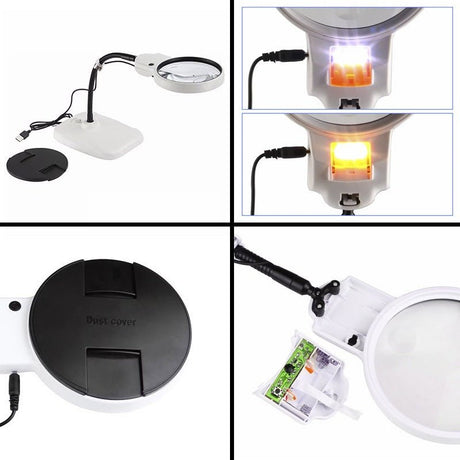
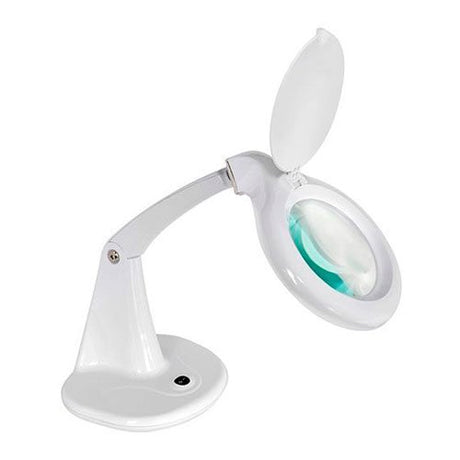
- Desk magnifier: A desk magnifier leaves your hands free, making it especially suitable for crafts and hobbies where you need to use both hands. Some desk magnifiers can be attached securely to a table, while others can simply be positioned above the material that needs to be enlarged.
The level of magnification you should choose depends on your eyesight and the purpose for which you will use the magnifier—for example, whether you need to study details closely or simply read more easily. At Seniorshop, we sell magnifiers with magnification ranging from 2x to 10x. Most standard reading magnifiers provide 2x–3x magnification, and many magnifiers offer several settings.
 33% off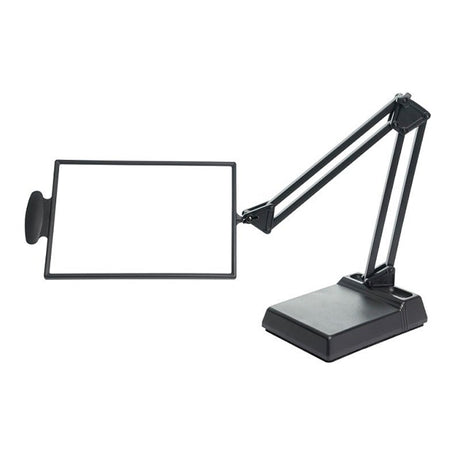
 15% offSee more452,00 kr

 27% off
 Get help here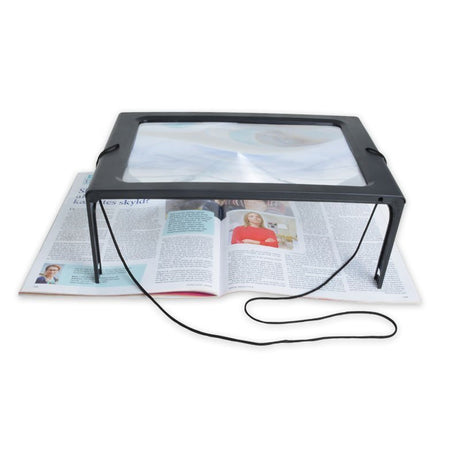


 17% offSee more377,00 kr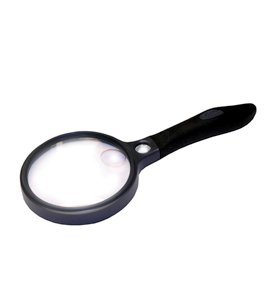

 See more152,00 krUnit price /Unavailable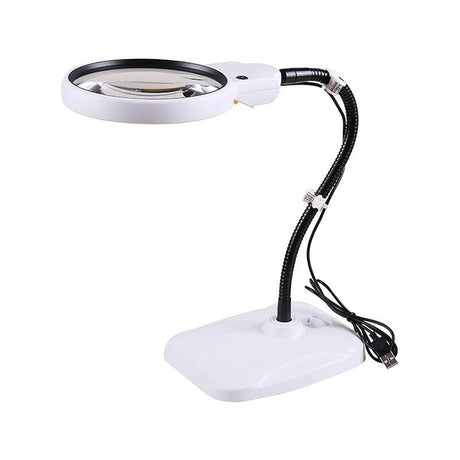

 25% off

 Sold out