The Safety Benefits of Ice Grips and Traction Soles
Snow and ice grips for shoes are indispensable during the winter months, providing essential traction when snow, ice, and slush make pathways slippery and hazardous. By using shoe spikes, you significantly improve stability and reduce the risk of slip and fall injuries.
Especially beneficial for seniors and individuals with impaired balance or mobility, these practical solutions enhance safety on slick surfaces, offering a sense of stability and confidence.
Ice grips and shoe attachments are easy to put on and remove, making them a versatile solution for all types of footwear. Many models are discreetly designed to be unobtrusive over shoes.
What Type of Non-Slip Attachments Should I Choose?
Our non-slip soles for shoes are available in two main types: with and without spikes, each offering unique applications.
Spiked Soles
These are ideal for icy and snowy surfaces, where the small metal spikes grip the ground, providing solid footing. They are particularly suited for outdoor use in winter weather and on uneven terrains like forest trails. However, spiked soles can be impractical on hard, smooth surfaces such as tiles or asphalt, where they might lose grip and become slippery. Be sure to remove them before entering indoors to avoid damaging floors.
Advantages:
- Optimal grip on ice and snow
- Prevents falls on slippery surfaces
- Suitable for individuals with balance challenges
Disadvantages:
- May have the opposite effect on hard, smooth surfaces like tiles or asphalt
- Must be removed before indoor use to avoid floor damage
Non-Spiked Soles
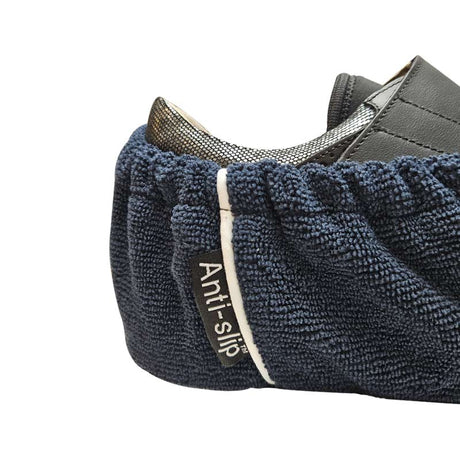
These use a slip-resistant coating with a rough surface to create friction against slippery surfaces. These models are perfect for urban settings where you frequently move between indoor and outdoor areas, including transitioning across salted and non-salted zones outdoors. They also protect floors and require less maintenance since there are no spikes to wear down or bend. The downside is they may not provide as firm grip as spiked soles on very icy surfaces. Therefore, the choice between the two types depends on where and how you plan to use them.
Advantages:
- Protects floors from damage
- Less maintenance, no spikes to wear or bend
- Suitable for mild slippery conditions and urban environments
Disadvantages:
- Does not always provide the same grip as spiked soles on very icy surfaces




 Sold out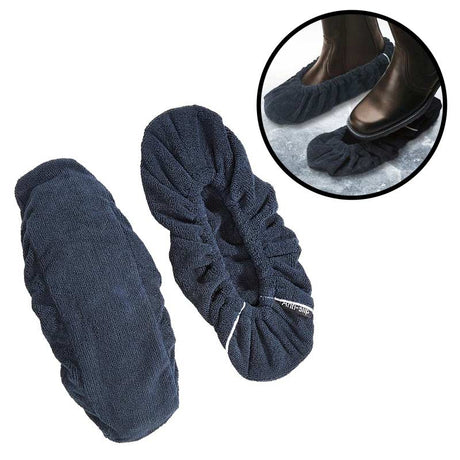
 Sold out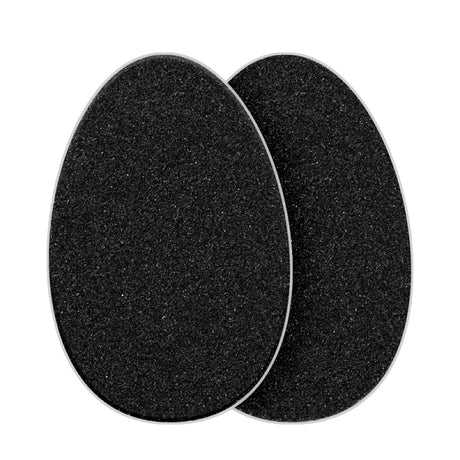


 Get help here
 Up to 34% off



 Best for the price

 17% off


