If you live with arthritis, bunions, or other sensitive foot conditions, you know just how much difference the right shoes can make. Here’s your guide to choosing footwear that truly supports your well-being.
Arthritis in the feet is very common. Many people experience pain, stiffness, and swollen joints in their toes, forefoot, or ankles—making even a short walk feel like a challenge. The good news? The right shoes can really change your everyday comfort. Proper footwear helps relieve sore joints, offers support, and makes it easier to move through your day.
What happens to feet affected by arthritis?
Arthritis isn’t just one disease—it's a collective term for more than 100 different conditions. The most common types affecting the feet are osteoarthritis and rheumatoid arthritis.
With osteoarthritis, the cartilage in the joints wears down gradually, often in the base of the big toe, the midfoot, and the ankle. This leads to pain when you’re active, morning stiffness, and reduced mobility. In rheumatoid arthritis, the immune system attacks the joint capsule, causing swelling, warmth, and foot deformities such as hammertoes and bunions.
One in eight people has some form of arthritis. The feet are particularly vulnerable, as they carry your body’s weight with every step.
What to look for in a shoe
Poor footwear can lead to problems far beyond just your feet. Your feet are the foundation for your whole body—pain here can travel to your knees, hips, and back. The good news is that choosing the right shoes can make all the difference.
When shopping for shoes for arthritic feet, focus on these six key features:
- Spacious toe box: Your toes should have room to rest naturally without being squeezed. This is especially important if you have hammertoes or bunions.
- Shock-absorbing sole: A soft, cushioned sole helps minimize the jarring impact on your joints with each step.
- Arch support: Good arch support distributes pressure evenly and can help prevent a collapsed forefoot, which is common with osteoarthritis.
- Firm heel counter: A supportive heel keeps your foot securely in place and aids in stability while walking.
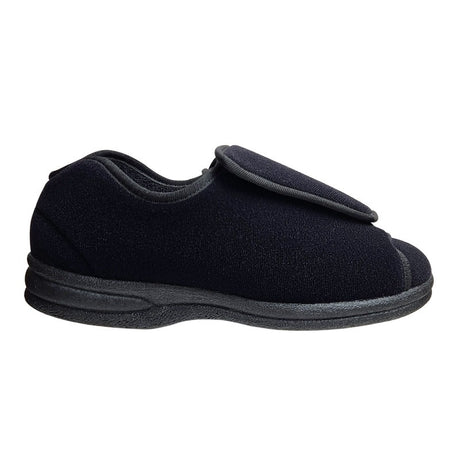
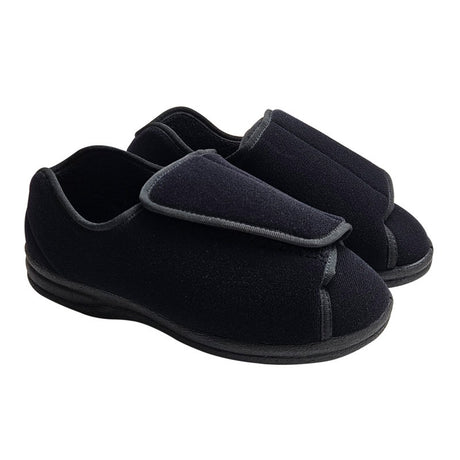
- Adjustable fastening: Velcro or laces let you adjust your shoes easily—even if your feet swell throughout the day.
- Breathable materials: Arthritis can make feet feel warm. Uppers made of breathable leather or fabric help keep your feet cool and comfortable.
The importance of the sole
The sole is one of the most critical parts when selecting footwear for arthritic feet. The right sole absorbs shock, easing stress on sore joints and helping you walk more comfortably. It doesn’t need to be complicated, but the benefits are noticeable.
Look for a shoe with a soft, cushioned insole and quality arch support. This ensures even pressure distribution and makes it easier to stay on your feet longer without discomfort.
Always try shoes on later in the day when your feet are at their largest. Many people with arthritis find their feet swell as the day goes on—so a shoe that fits well in the morning might feel too tight by afternoon.
Women’s shoes for sensitive feet
Our selection is exclusively for sensitive feet. Each pair is chosen for its extra-wide fit, soft interior lining, supportive arches, and adjustability. This isn’t just any collection—these shoes are chosen because they truly help feet that need extra care. For women, you’ll find a wide variety of attractive, comfortable sandals and closed shoes.
See our women’s shoe collection →
Men’s shoes for sensitive feet
We also offer an excellent range for men with features designed for all-day comfort. Sneakers and Outdoor shoes with extra-wide fits, Velcro fastenings, and superior shock absorption are especially popular. Many styles are easy to put on and take off—no need to bend down far or struggle.
See our men’s shoe collection →
When are custom-made shoes needed?
If you experience persistent pain, severe foot deformities, or trouble finding shoes that fit, it may be time to see an orthopedic specialist or shoemaker. They can guide you in choosing the right footwear and, if necessary, design shoes or insoles tailored to your unique needs.
A podiatrist can also help prevent and treat issues related to arthritis, such as calluses, corns, and bunions.
Insoles can make a big difference—but only if the shoe is sturdy enough to support them. A soft, flimsy shoe won’t give the same results as a shoe with a firm sole.