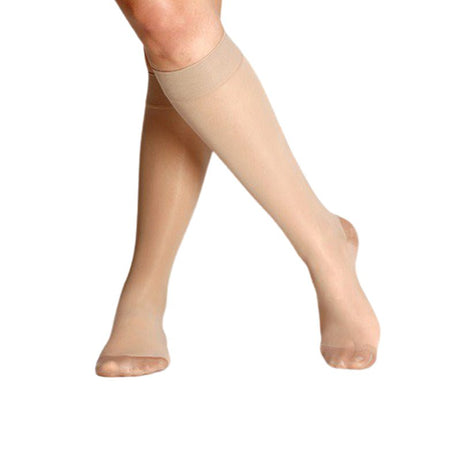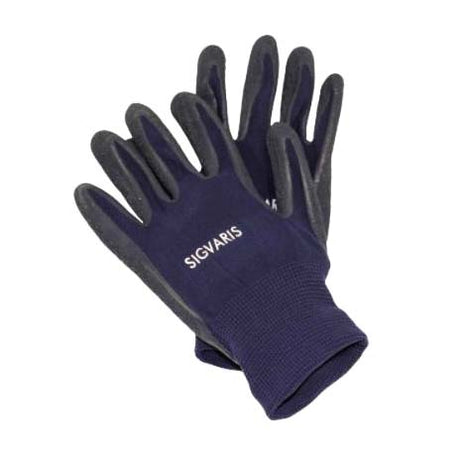

Support socks are widely used these days—for prevention, work, travel, or specific medical needs. They help maintain blood circulation in the legs and can prevent swelling, discomfort, and fatigue.
But what exactly do support socks do, who benefits from them, and how should you use them correctly?
At Seniorshop, we offer a wide selection of support socks, so we've created this guide to help answer the most common questions about them and provide tips on choosing the right pair for you.
Health Benefits of Support Socks
Support socks apply gentle pressure to the legs, strongest at the ankle and gradually decreasing upward. This helps the blood flow back toward the heart and offers several health benefits:
- Reduces swollen legs and ankles: Extended periods of standing or sitting can lead to fluid buildup, which support socks can prevent.
- Decreases risk of blood clots: They're particularly helpful on long train, plane, or bus trips, often called travel socks for this reason.
- Relieves leg fatigue and pain: People who stand for prolonged periods often feel less heaviness and discomfort with support socks.
- Help with varicose veins: Support socks can help alleviate symptoms such as pain and swelling.
Support socks aren't just for those with existing issues—they can be used preventatively, making them an excellent choice for many.
Who Can Use Support Socks?
Support socks aren’t just for seniors or those with illnesses. Many people can benefit from them:
- Men and women with sedentary jobs: Office work or long travel can lead to swollen legs. Support or travel socks can help here.
- Those with varicose veins: Beneficial both for prevention and relief.
- Pregnant women: Swollen legs and ankles may occur, and support socks can help ease discomfort.
- Athletes: Light compression can support muscles and reduce soreness after workouts.
Regardless of age or gender, most people can benefit from support socks if they choose a model that fits their needs.
Support Socks vs. Compression Socks – What’s the Difference?
Many assume support socks and compression socks are the same, but there are differences:
- Support socks: These provide light to medium pressure and are typically used for prevention, everyday comfort, or travel. They are easy to put on and do not require a prescription.
- Compression socks: These offer more precise and often stronger pressure, used mainly for medical situations such as post-surgery or severe varicose veins, available in various compression levels.
In short: All compression socks are support socks, but not all support socks are compression socks.
How Long Can You Wear Support Socks?
For regular support socks, you can typically wear them all day, from morning to evening, and take them off at night. It's best to put them on as soon as you get up before your legs start to swell.
For medical compression socks, it's important to follow your doctor's instructions, as some should be worn all day while others only during activity.
Are Support Socks Healthy?
Yes—for most people, they are both healthy and comfortable. Support socks facilitate blood circulation, prevent swelling, and can lessen leg discomfort.
However, they shouldn't be too tight, and if you experience pain, numbness, or discoloration, discontinue use and consult a doctor.
How Much Compression Should Support Socks Have?
mmHg is a unit of measurement indicating the pressure a support sock or compression sock provides. The abbreviation stands for millimeters of mercury and is also used to measure blood pressure.
Regarding support socks, the mmHg value tells you how firmly the socks press against your leg. The higher the number, the more compression they provide. The pressure is usually strongest at the ankle and gradually decreases up the leg, assisting blood return to the heart.
Class 1 – Light Compression (5–21 mmHg)
Support socks in class 1 offer mild compression and can be used by anyone. They are suitable for prevention and light issues like swollen feet, fatigue symptoms, or minor varicose veins.
They suit all age groups and various purposes, like daily wear, long flights, car trips, pregnant women, or individuals prone to varicose veins.
Class 2 – Medium-Strong Compression (23–32 mmHg)
Class 2 provides medium-strong compression and should only be used upon recommendation from a doctor or nurse. They are generally used for more significant issues like varicose veins, venous insufficiency, or post-surgery.
Class 2 is not intended for daily prevention but as part of treatment. A correct fit and expert advice are crucial for safe and effective use.
Considerations When Choosing Support Socks
Picking the right support socks depends on how you intend to use them, your daily needs, and what feels most comfortable. By considering a few simple factors, you can find socks that provide support, comfort, and well-being for your legs, whether you're standing, walking, traveling, or just seeking extra daily comfort.
- Fit and size: Socks should fit snugly yet comfortably around the ankle and calf. Wider shaft and calf models offer better comfort for men or those with larger legs. Always use a sizing guide for the best fit.
- Level of compression: Light compression (Class 1, 15–21 mmHg) is recommended for daily use, prevention, and travel. Medium to strong compression (Class 2, 23–32 mmHg) is used for specific issues and should be chosen with medical guidance.
- Material: Breathable and elastic fibers ensure even support and comfort all day. Socks made from soft cotton, bamboo, and merino wool can be especially comfortable for sensitive skin.
- Length: Knee-high socks are the most common, but higher models can provide extra support for the entire leg.
It might also be worth looking for deals on support socks if you want multiple pairs for daily use without overspending. Check out our sales page here.
What Materials Should I Choose?
Support socks are made from breathable, elastic fibers that provide consistent support and make them comfortable to wear all day. Some models combine comfort with extra softness using a blend of cotton, bamboo, and merino wool, which can be beneficial for those with sensitive skin.
There are also socks with the specially developed Celliant™ thread—a unique technology that reflects the body's warmth back into the tissue. This can enhance circulation, increase comfort, and reduce discomfort in feet and legs, especially over long workdays, during travel, or for diabetes-related issues.