Gardening is a green delight, benefiting both body and mind. However, knees, back, and shoulders can sometimes hold you back, especially as you get older. Here are some great tips on taking care of yourself while tending your garden.
When spring showcases its best, those green thumbs get itching to start. And there's every reason to indulge. Gardening is excellent exercise. It strengthens muscles, offers fresh air, and provides a peace of mind that's hard to find elsewhere.
The challenge arises when the body isn’t quite ready, especially at the season's start, transitioning from winter's inactivity to hours of weeding, digging, and bending. Many experience back pain, neck strains, or sore knees, which can be discouraging. But it doesn't have to be.
Prepare Your Body Before You Begin
This is particularly important in spring when your body hasn't done these movements for months. Many garden injuries aren’t from tasks being too heavy but from the body being unprepared.
Set a timer to remind yourself to take breaks. A good rule of thumb is to change position or task approximately every 15 minutes. It's not laziness—it's what allows you to keep going the next day.
Your Posture Makes a Big Difference
Avoid working bent over for prolonged periods. It's the position that puts the most strain on your back and neck, which is hard to avoid entirely in gardening. But you can do a lot to minimize it.
One of the most effective things is to sit down when working close to ground level rather than bending. Sitting relieves your knee joints and avoids the bent-over position that strains the lower back. Having something to support you when standing up again will save your body extra strain.
Check out our garden stool with knee pad and handle →
Bring the Garden to Your Working Height
Investing in raised beds, about 50-70 cm high, is one of the best things you can do for your back. It lets you work with a straight back, avoiding deep bending that strains the lower back. Standardized berry bushes like currants and gooseberries offer the same advantage and are available at most garden centers.
You can also reduce weeding by choosing the right plants. Perennials like Japanese anemones, hostas, and daylilies require little maintenance and keep weeds at bay. Using landscape fabric under mulch is an investment that saves countless hours on your knees.
Pots on wheels are easy to move without lifting. Use pinecones instead of stones for drainage, making them lighter. Place them in a plastic pot inside a clay pot for easier handling.
Choose the Right Tools
Good gardening tools make a huge difference in how your body feels afterward. Opt for tools with long handles so you can work with a straight back. Handles should have a non-slip grip and be thick enough to distribute strain across your whole hand, not just your fingers.
Electric tools can be advantageous, but always test the product before buying. Batteries can make many electric tools heavier than handheld alternatives, possibly stressing wrists and shoulders during extended use.
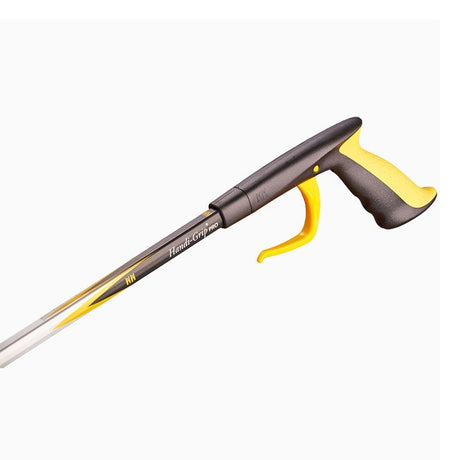
A long-handled grabber is an underrated tool. It can be used for picking up items and reaching into beds without bending, saving many unnecessary bends throughout a day in the garden.
Take Care of Your Hands and Fingers
Your hands are the garden’s most essential tools, so it's crucial to protect them. "Stop while you're ahead" is a good rule. You should still be able to use your hands for the rest of the day.
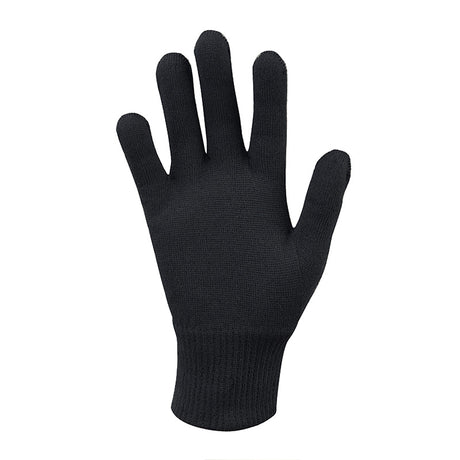
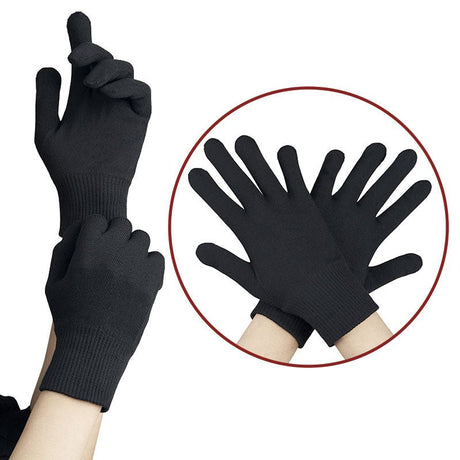
Use both hands when possible. This distributes the load and protects your joints. A good garden glove with padding protects your palm and reduces vibrations from tools. If you have arthritis in your hands, a light wrist brace can provide extra support during work.
Arrange your garden with a bench or chair, providing a place to sit down as you work. This encourages breaks and lets you enjoy what you've created. You might even set a timer to remind yourself to pause.
When Should You Seek Help?
Minor soreness that resolves within a day is normal. But if you experience increasing pain or pain that doesn’t improve after a few days, consider consulting your doctor or a physical therapist. The same goes for sudden severe pain after lifting.
Also, remember that many local governments offer practical garden assistance if you can no longer handle it yourself. It's worth looking into what you might be entitled to.