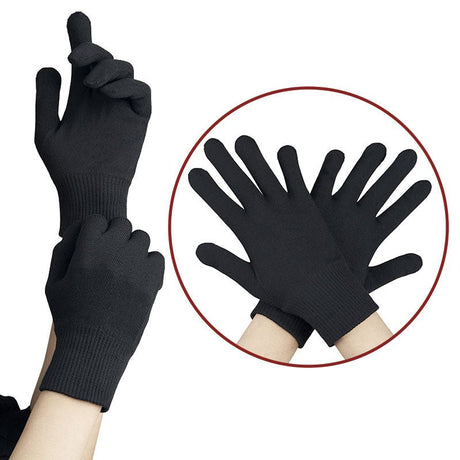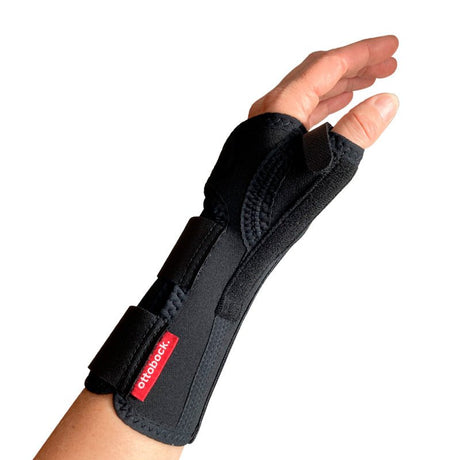
Stiff, swollen fingers in the morning? Discover everything you need to know about arthritis gloves—from how they work to finding the perfect model for your needs.
If you wake up with painful or stiff fingers, you're far from alone. More than 700,000 people in Denmark live with arthritis, and for many, sore hands make everyday tasks feel daunting.
Fortunately, there are solutions that can truly help. One of the most popular and easy-to-use aids is the arthritis glove—also called a compression glove or arthrosis glove. But how do these gloves actually help? Can you wear them overnight? And which type should you choose?
This guide will explore the science behind arthritis gloves, dispel common myths, and help you select the model that fits your lifestyle best.
Explore our selection of arthritis gloves →
What are arthritis gloves, and how do they work?
Arthritis gloves are specially designed to relieve symptoms of arthritis in your hands and fingers. They're typically made from a blend of soft cotton and stretchy spandex, making them breathable and comfortable for extended wear.
Their pain-relieving benefits rely on two key principles: compression and warmth.
Gentle compression relieves swelling
When you slip on an arthritis glove, it hugs your hand with gentle, even pressure. This helps move excess fluid away from inflamed joints, reducing swelling and edema. At the same time, compression stimulates circulation, bringing more oxygen and nutrients to irritated tissues.
Therapeutic warmth soothes stiffness
Arthritic joints often feel best when kept warm. Arthritis gloves are designed to trap and retain your body's natural heat, helping to soothe sore muscles and joints and improve flexibility. For many, this makes the biggest difference with the morning stiffness.
Along with providing arthritis relief, many people with neuropathy (nerve pain) or poor circulation also find comfort in using compression gloves.
Do arthritis gloves really work? What does the research say?
One of the most frequent questions is: Do they genuinely work, or are they just fabric?
The short answer: Yes, they help many people, but they're not a miracle cure.
Arthritis gloves can't cure arthritis or eliminate pain entirely. Instead, they're a tool for symptom relief. Studies from the American College of Rheumatology found that people with hand osteoarthritis who used compression gloves experienced significant improvements in both pain and stiffness.[1]
A systematic review shows that many patients report noticeable relief from morning stiffness and swelling when using these gloves.[2] Think of these gloves as a way to "take the edge off"—they make joints more flexible and can make day-to-day activities like holding a coffee cup, knitting, or typing at the computer easier.
While not a treatment in themselves, arthritis gloves are a practical aid that brings extra comfort and relief for sore hands.
Osteoarthritis vs. Rheumatoid Arthritis in the Hands
Arthritis comes in many forms—over 200 different diagnoses exist—but when it comes to hand pain, two types are most common:
| Type of Arthritis | What is it? | How do gloves help? |
|---|---|---|
| Osteoarthritis (Arthrosis) | The most common type. Joint cartilage breaks down gradually, often affecting the outer finger joints and the base of the thumb. | Heat soothes mechanical pain, while compression supports weakened joints so they feel more stable. |
| Rheumatoid arthritis | An autoimmune condition where the immune system attacks the joints, causing chronic inflammation. It often affects both hands in the same way. | Compression is particularly helpful here, as it moves inflammation-related fluid away from the joints. |
No matter which type you have, arthritis gloves can be a valuable supplement to your treatment plan.
Arthritis pain doesn't have to stop you from enjoying your favorite activities. A good pair of compression gloves is a small investment that can make a big difference in your daily comfort and quality of life. If you’re unsure which model is right for you, our customer service team is always ready to help.
How to Choose the Right Arthritis Gloves
When choosing arthritis gloves, keep these three factors in mind:
Fingerless or full-finger?
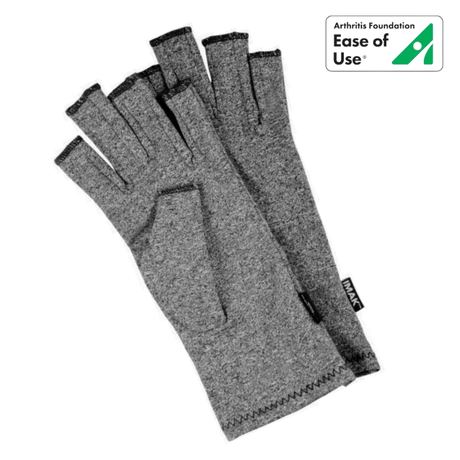
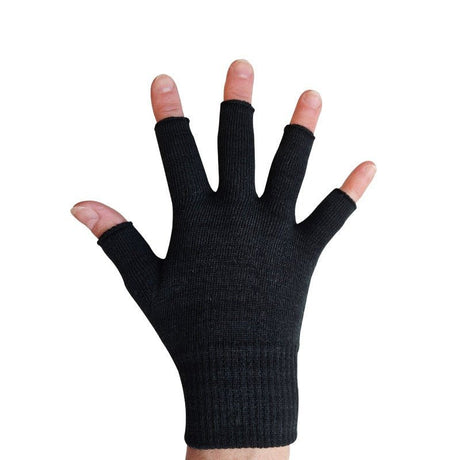
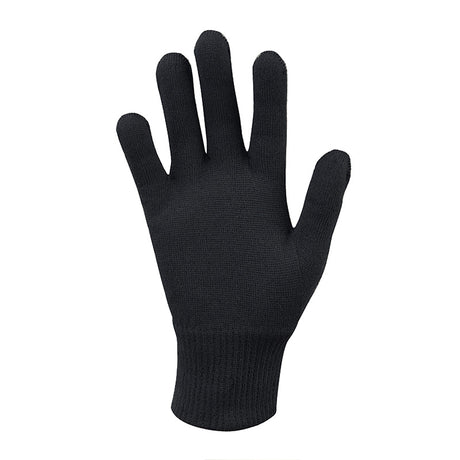
This is the biggest choice to make. Fingerless arthritis gloves (open fingertips) are the most popular—they let you maintain full sensitivity, so you can easily use your phone, button a shirt, or read a book while wearing them. Full-finger arthritis gloves cover the whole hand—great if you often have cold hands or if your pain is concentrated at the fingertips.
Quality and Professional Endorsement
Choose gloves recognized by healthcare professionals. Our best-selling option is IMAK arthritis gloves—they’ve earned the Ease of Use Commendation from the Arthritis Foundation in the USA, which means they were independently tested and reviewed by people with arthritis for both performance and ease-of-use.[3]
Find Your Fit
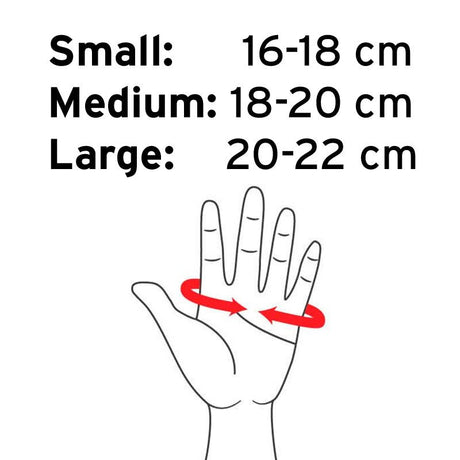
To work properly, arthritis gloves must fit just right. They need to be snug for effective compression, but should never feel uncomfortably tight or restrict blood flow. Measure across the back of your hand, just below the knuckles, to find the right size. If you fall between two sizes, it's usually better to size up.
Always measure both hands, as they can vary in size. When in doubt, choose the larger size to ensure compression isn't too tight.
References
- American College of Rheumatology. The Effect of Compression Gloves in Hand Osteoarthritis. rheumatology.org
- Hammond A, et al. (2021). Clinical and cost effectiveness of arthritis gloves. BMC Musculoskeletal Disorders. biomedcentral.com
- Arthritis Foundation. IMAK® Compression Arthritis Glove: Ease of Use Commendation. arthritis.org