Falls are one of the most common causes of injury among seniors, but most falls can be prevented. With simple home adjustments and the right aids, you can maintain your independence and move confidently in everyday life.
Nearly a third of Danes over 65 living at home experience a fall at least once a year. For many, a fall results not only in physical injuries like fractures but also in a fundamental insecurity that can hinder the desire to move freely. Fortunately, falls don't have to be an inevitable part of aging. Most falls happen in and around the home, and with some straightforward adjustments and the right aids, you can significantly reduce the risk.
Why do we fall more often as we age?
As we age, our bodies go through natural changes that can affect balance and reaction time. Muscle mass decreases, vision might worsen, and many experience dizziness. In addition, certain medications, especially sleeping pills and blood pressure reducers, can cause instability.
The fall risk doubles if you're living with dementia, as cognitive challenges can make it harder to judge distances and remember to use aids.
Falls among seniors often lead to fractures. If an older person struggles with osteoporosis or has previously had fractures in the arms, hips, or back, it’s especially important to prevent falls by adjusting home conditions.
Remember, fall prevention is not about restrictions; it's about creating a safe environment to stay active and independent at home.
Review your home, room by room
Most falls occur in familiar surroundings where we move on "autopilot." A systematic review of your home can reveal many hidden hazards.
1. Eliminate trip hazards on the floor
Loose rugs, cables, and door thresholds are among the most common causes of falls at home. Remove small decorative rugs or place a sturdy non-slip underlay beneath them. Secure cables along the baseboards. If you use a walker or have a tendency to shuffle your feet, a threshold ramp can be an effective way to smooth out level differences and make room-to-room movement easier.
2. Ensure bathroom safety
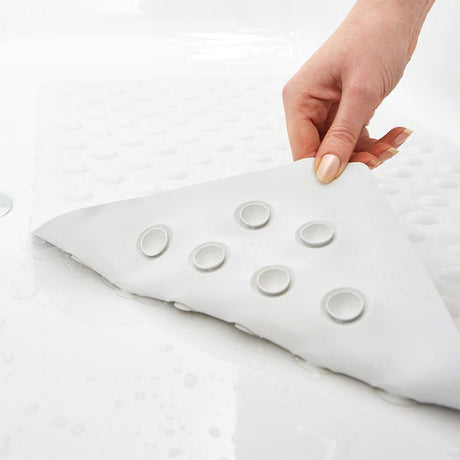
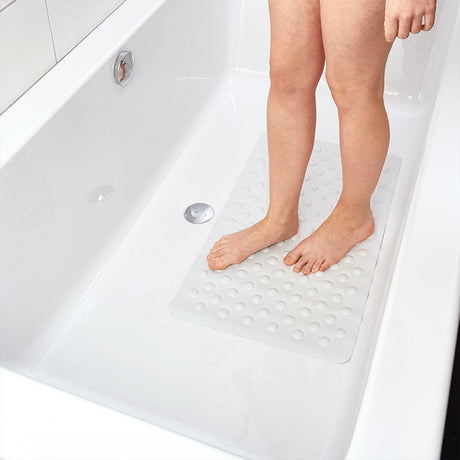
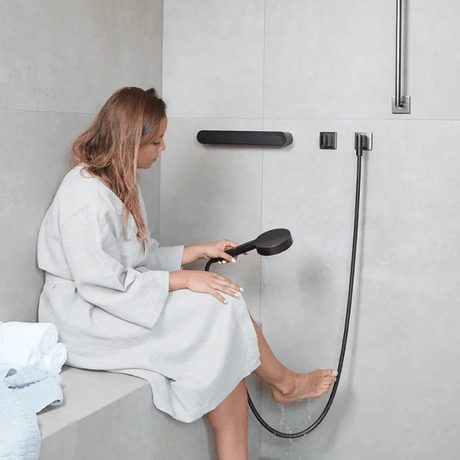
The bathroom is one of the riskiest rooms due to slippery and wet surfaces. Prioritize non-slip solutions and support. At a minimum, use a non-slip bath mat in the shower. Installing sturdy grab bars by the toilet and in the bath can also be tremendously helpful. If your balance is uncertain, a shower chair or bench allows you to sit while bathing, conserving energy and reducing the risk of slipping.
Explore our range of bathroom aids →
3. Install handles and grab bars correctly
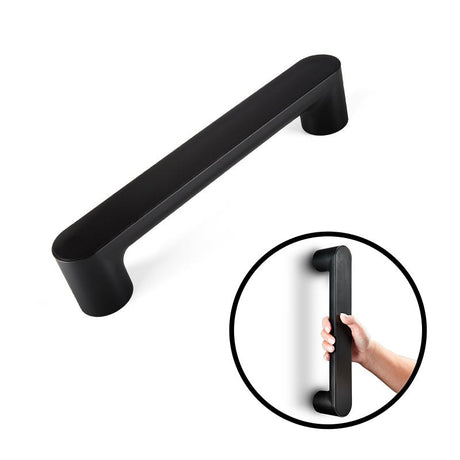
One of the most effective fall prevention measures is installing grab bars where you need extra support. The bathroom is an ideal starting point: a grab bar next to the toilet makes sitting and standing much easier, and having one in the shower provides steadiness while you wash. Grab bars are available in various styles, from wall-mounted options for maximum stability to suction cup versions that can be easily moved without drilling.
Grab bars aren't just helpful in the bathroom. Strategically placed along stairs, by the bed, or in hallways, they can greatly enhance everyday safety. Choose stainless steel bars for durability, easy cleaning, and a lasting attractive appearance.
Explore our range of handles and grab bars →
4. Wear the right indoor footwear
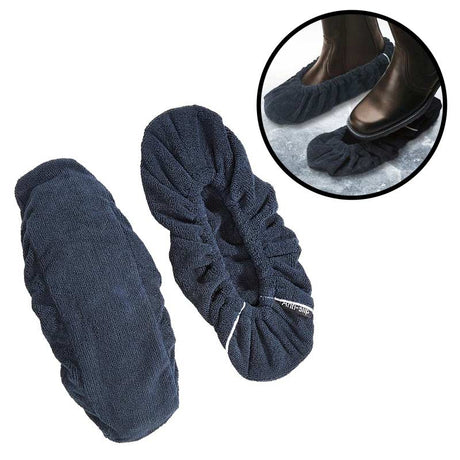
Walking in bare feet or slippery socks on wooden or tiled floors is an unnecessary risk. Good, supportive slippers with non-slip soles offer foot support and prevent slipping. Alternatively, non-slip socks with rubber grips are a great option if you prefer wearing socks.
Explore our range of non-slip socks →
Keep your body active
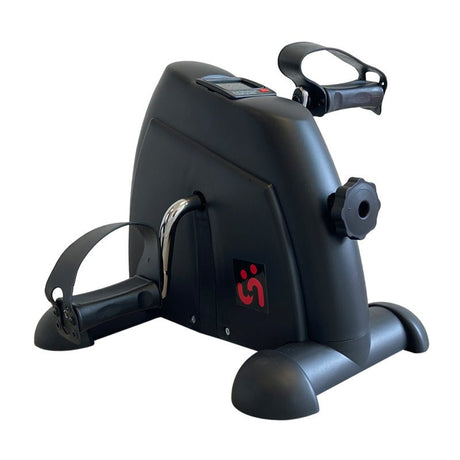
Besides adapting your home, physical activity is one of the most effective ways to prevent falls. Regular exercise strengthens muscles and improves balance, directly reducing fall risk. It doesn’t have to be intense—a short daily walk or light exercises at home can make a significant difference.
Just 30 minutes of moderate physical activity a day, through short walks or light exercises, can significantly strengthen muscles and improve balance. It's never too late to start.
Make everyday life easier with aids
Many falls occur when reaching for something on a high shelf or bending down to pick up something off the floor. Simple aids can make a big difference in everyday safety.
Speak with your doctor or the municipal aid office if you're concerned about your balance. You may qualify for free aids through the municipality, and many offer free fall prevention courses.
By combining a safe home environment with the right aids and a bit of daily movement, you can create the best conditions for a secure and active senior life in your own home.