Protein is important because your body needs it to maintain muscle. As we age, muscle mass naturally decreases, while some people also experience a reduced appetite. That is why it is a good idea to give protein a little extra attention in everyday life – especially if you want to stay strong enough to keep doing the things you enjoy.
Fortunately, this does not mean eating large steaks or preparing complicated meals. Small, protein-rich choices spread throughout the day can make a big difference: an egg at breakfast, fish or cheese for lunch, a generous serving of beans at dinner, or a protein-rich snack when your appetite is not up to a full meal.
Protein helps maintain muscle
Protein is made up of amino acids, which the body uses as building blocks. It is found in muscles, tissues and enzymes, among other things. As you get older, it is particularly important to pay attention to your protein intake, because strong muscles make everyday activities easier, such as getting up from a chair, climbing stairs, carrying groceries and staying active.
Fødevarestyrelsen recommends that healthy adults over the age of 70 focus on protein-rich foods such as legumes, fish, meat, eggs, nuts and dairy products. Protein and physical activity work well together, so a daily walk, a little gardening or some light strength training can also help keep your body active.
The most important thing is to eat protein several times a day
It can be difficult to get enough protein if you only think about it at dinner. It is often easier when you include a source of protein at breakfast, lunch, dinner and one or two snacks.
You do not have to change all your habits at once. Instead, try adding one small thing at a time: an egg alongside breakfast, a slice of cheese on rye bread or a bowl of skyr in the afternoon. Small, repeated choices are what make the difference.
Good sources of protein for breakfast
Breakfast is a great opportunity to get off to a good start. If you normally only eat a slice of bread or a little porridge, it is often a good idea to add a proper source of protein – not just a small amount as a topping or side.
- A generous bowl of skyr with berries, fruit and nuts or muesli.
- An omelette made with eggs, cheese and, for example, leftover chicken, fish or vegetables.
- Two slices of rye bread with egg, cheese, mackerel, herring or another fish topping – preferably with a glass of milk.
- Oatmeal cooked with milk and served with a portion of skyr or cottage cheese on the side.
If it is difficult to eat that much in the morning, a small portion may be enough. You can always save the rest for later in the morning instead of skipping breakfast altogether.
Good sources of protein for lunch and dinner
At lunch, make the topping the main part of your meal. Try having two or three slices of rye bread with, for example, egg, fish, chicken, cheese or cottage cheese, rather than spreading on only a thin layer. A lunch salad with chicken, tuna, eggs, beans or lentils is another good choice.
At dinner, it is a good idea to make the source of protein the central part of the meal, then build the potatoes, rice, pasta and vegetables around it. This could be fish, chicken, eggs, meat, lentils, beans or chickpeas. For example, you could choose:
- Salmon, fish cakes or another type of fish with potatoes and vegetables.
- A hearty omelette with eggs, cheese and, for example, chicken, ham or beans.
- Chilli con carne made with both minced meat and beans – or a lentil stew with extra lentils and beans.
- A warming soup with red lentils and chicken, or with beans and a slice of bread with cheese on the side.
- Pasta with a meat sauce where the meat or lentils make up a generous portion, topped with a little grated cheese if you like.
It does not have to be fancy or complicated. A simple meal you actually feel like eating is often better than an ambitious recipe that never gets made.
Protein-rich snacks when your appetite is small
A snack can be a good solution if you get full quickly at mealtimes. It can also be helpful to have something easy ready for the afternoon or evening, when you may not have much energy for cooking.
- A serving of skyr or cottage cheese with berries, fruit or a few nuts.
- Two boiled eggs with a slice of rye bread or crispbread with cheese.
- A small open-faced rye bread sandwich with mackerel, egg, cheese or chicken cold cuts.
- A smoothie made with milk and skyr – optionally enriched with protein powder according to the product instructions.
- A protein-rich drink, if drinking is easier than eating.
It can be helpful to put a couple of good options out or keep them ready in the fridge. That way, a snack is within easy reach when hunger strikes.
When cooking needs to be simple
It is easier to eat a varied diet when preparing food is not a chore. Keep things simple with boiled eggs in the fridge, portioned fish, ready-cooked lentils or canned beans, and good leftovers from dinner. Small portions are perfectly fine – you can always eat again later.
If gripping a knife, can opener or jar makes kitchen tasks more difficult, there are also aids that can make it easier to prepare a meal independently.
Protein supplements can be a practical addition
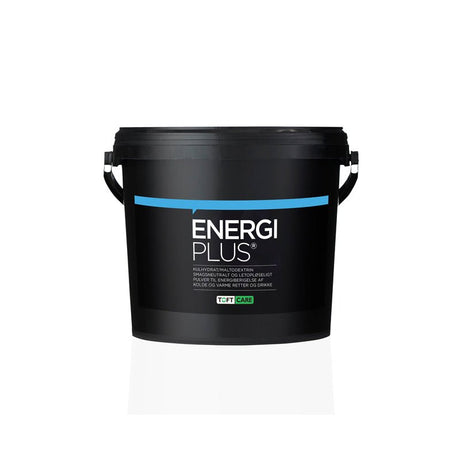
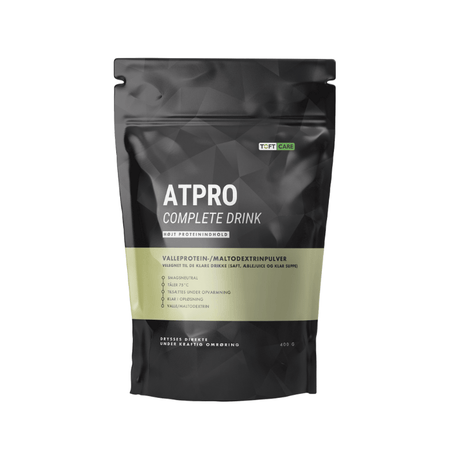
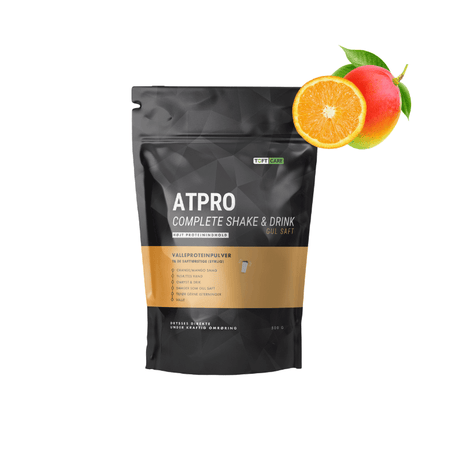
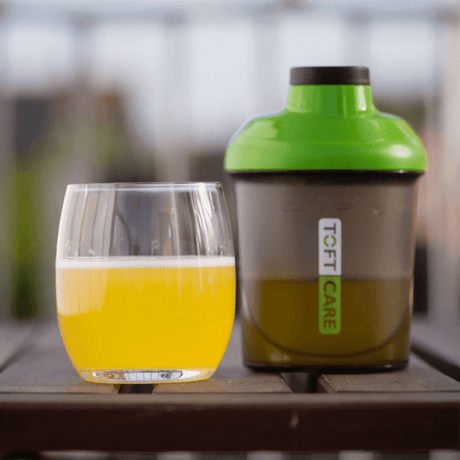
For some people, food alone is enough. For others, a protein supplement can be a practical solution on days when their appetite is small or when it is difficult to get enough protein from their usual meals. Supplements are just that – a supplement, not a replacement for a varied diet.
The selection includes both unflavoured protein powders, which can be stirred into porridge, yoghurt, soup, coffee or smoothies, for example, and protein-rich drinks that are easy to enjoy as a snack. Some types of powder can be used in both cold and hot dishes – always follow the instructions on the individual product when mixing it.
See protein supplements and protein-rich drinks →
Make it easy to choose protein every day
A good rule of thumb is to have a simple source of protein ready at every meal. This could be eggs, fish, cheese, skyr, yoghurt, milk, meat, beans or lentils. It does not have to be the same every day – variety makes meals more inviting and makes it easier to feel like eating.
If you experience unplanned weight loss, a prolonged lack of appetite or have been given specific dietary advice due to illness, it is a good idea to speak with your doctor, a clinical dietitian or another healthcare professional. They can provide advice tailored to your particular situation.