
The bathroom is one of the most accident-prone areas in the home—especially for seniors. The mix of slippery floors, wet surfaces, balance-requiring movements, and often cramped spaces means many feel uneasy performing everyday tasks like showering, getting up from the toilet, or visiting the bathroom at night. For many seniors, having a bathroom that feels safe and functional is crucial for staying in their own home.
In this article, we'll share tips on making the bathroom safer, the types of aids available, and practical ways to use them.
Why is the bathroom particularly risky for seniors?
Although the bathroom is a daily-use space, it has several features that can make it challenging to navigate safely—especially when mobility, strength, or balance isn't what it used to be.
Many activities performed here demand more from the body than one might realize. It's the combination of layout, flooring, and daily routines that can make the bathroom particularly hazardous.
The bathroom is often characterized by:
- Wet and slippery surfaces—both in the shower and on the floor outside.
- High balance demands—for example, when stepping in and out of the shower.
- Movements requiring strength—like sitting down and getting up from the toilet or shower chair.
- Poor lighting—which can make it harder to see potential trip hazards.
For many seniors, these factors can lead to feelings of insecurity and, at worst, falls and injuries. Fortunately, there are many practical measures that can reduce risks and enhance bathroom safety. The best part is, these solutions are super easy to install.
Helpful tools to make the bathroom safer
While the bathroom is often seen as a private and routine space, small changes can significantly boost safety. Luckily, there are several aids that can make the bathroom both safer and more comfortable, allowing you to manage tasks independently.
Here’s some inspiration on how to easily make your bathroom slip-resistant. You probably won't need all the aids, but if this article resonates with you, one or more of these safety measures will likely benefit you.
1. Grab bars and shower handles: Something to hold onto
One of the most effective tools for preventing falls is grab bars. They can be installed on walls in the shower, near the bathtub, or beside the toilet.
Grab bars provide a stable support to hold onto when sitting or standing up. For seniors with reduced leg or hip strength, or balance issues, a solid grip can mean the difference between standing safely and falling. Many bars can support full body weight, making them reliable in critical situations.
When choosing grab bars, consider their placement. For example, a bar next to the toilet combined with one in the shower can provide security throughout the entire bathroom routine. Permanently installed bars provide the most security, while removable ones often can't bear enough weight to be effective.
Check out our selection of grab bars and handles →
2. Shower chairs: Sit safely during your shower
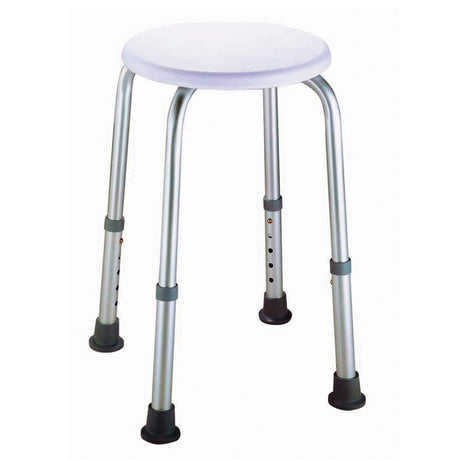
For many seniors, standing in the shower for an extended time can be physically taxing, and the risk of slipping increases as fatigue sets in. A shower chair or stool can make a big difference here.
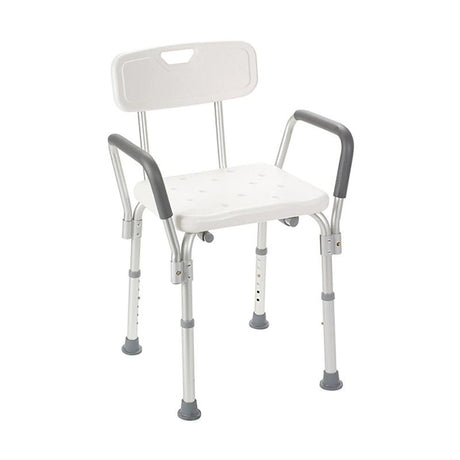
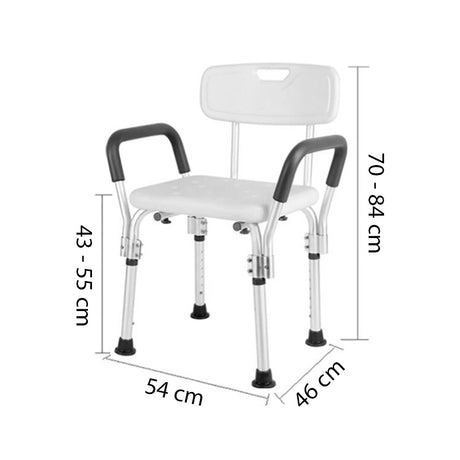
Shower chairs allow you to sit while showering, which reduces the risk of falls and makes showering more relaxing and enjoyable. Some chairs come with backrests and armrests for added support, while others are adjustable to suit the user's height. For individuals with limited mobility or joint pain, being able to sit safely while washing is a huge advantage, without having to stand and risk slipping.
Shower chairs can also be used in conjunction with grab bars in the shower, providing both a seat and secure points to hold onto, creating a complete safety zone throughout the bathing routine.
Check out our selection of shower chairs and benches →
3. Non-slip bath mats: Simple but effective solution
One of the simplest and most effective tools is a non-slip bath mat. These can be placed both in the shower and on the floor outside, where water often collects.
Non-slip mats significantly reduce the risk of slipping. Most feature suction cups or a rubber base to keep them in place, providing good traction even on wet floors. However, it's essential to ensure the mat is always dry and free of soap residue, as even non-slip mats can become slippery if left in puddles.
Though it seems simple, a non-slip mat can make all the difference between a safe shower and a potential fall. It's a solution that's easy to implement and can be beneficial for everyone, regardless of mobility level.
See our range of bath mats and anti-slip solutions →
4. Raised toilet seats: Make using the toilet easier
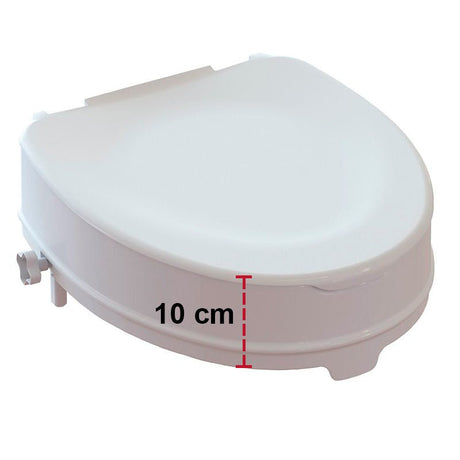
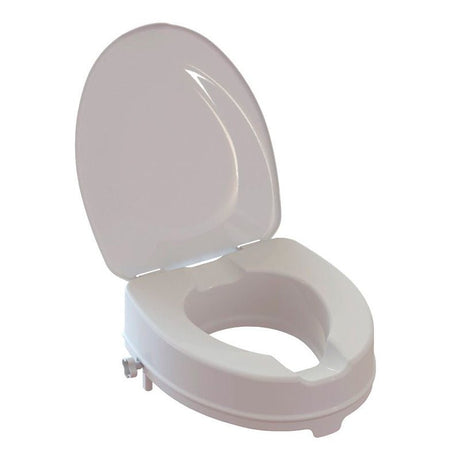
A regular toilet can be low, making it difficult to sit and stand, especially for those with hip, knee, or back issues. A raised toilet seat elevates the height, making it easier to use without unnecessary strain.
Raised toilet seats can often be paired with grab bars, providing a stable point to hold onto in both sitting and standing positions. This enhances safety and allows for independent bathroom use. For many seniors, a raised toilet seat means no longer needing assistance for this daily task, increasing independence and reducing stress.