
Urinary incontinence can show up in many different ways. You may notice a few drops when you cough or laugh. The urge to urinate may come on so suddenly that it is difficult to reach the toilet in time. Or perhaps you mainly need a little extra reassurance at night.
There is no single product that works for everyone. The right choice depends on how much you leak, when it happens, and what will work best in your everyday life. This simple guide explains which types of products typically suit different needs – and what to look for when choosing.
Incontinence products can make everyday life easier, but they do not treat the underlying cause of incontinence. Talk to your doctor if you experience urinary incontinence – even if your symptoms are mild. Seek medical advice sooner if you also have blood in your urine, pain, repeated urinary tract infections or difficulty emptying your bladder.
Start with the situation you recognise
Before choosing pads, underwear or bed protection, it can help to think about when you most often need protection:
- Small leaks during the day: For example, when you cough, sneeze, laugh or stand up.
- A sudden and strong urge to urinate: When you occasionally cannot reach the toilet in time.
- Larger or more frequent leaks: When you need greater absorbency and a solution that stays securely in place.
- Accidents at night: When you need to protect both yourself and your bed and mattress.
- When you are out or swimming: When a discreet solution or specialised swimwear can give you the confidence to go out.
Your needs may change from day to day. Many people therefore find it useful to have one solution for everyday use and another for sleeping, travelling or spending long periods away from home.
For small leaks: Incontinence pads or washable underwear
For light incontinence, a thin incontinence pad can often be a simple solution. It is placed inside your underwear and comes in different shapes and absorbency levels. There are both Unisex pads and pads shaped for women or men, so you can choose the fit that feels most comfortable.
It is a good idea to choose a proper incontinence pad rather than a regular sanitary pad. Incontinence pads are designed for thin liquids such as urine and to draw moisture away from the skin.
Washable incontinence briefs and boxershorts can be a good alternative if you typically experience small leaks and would prefer a solution that looks like ordinary underwear. They can be washed and reused, but may not be suitable for larger leaks at one time. Always check the stated absorbency for the individual model, and choose a size that fits snugly without feeling tight.
View incontinence pads and adult diapers →
View washable incontinence underwear →
When you need more security: Larger pads, fixation pants or pull-up diapers
If your leaks are heavier or happen suddenly, you may need more than a small insert. A larger incontinence pad held in place with fixation pants can be a good solution. The fixation pants help keep the pad correctly positioned, allowing it to make the best use of its absorbency.
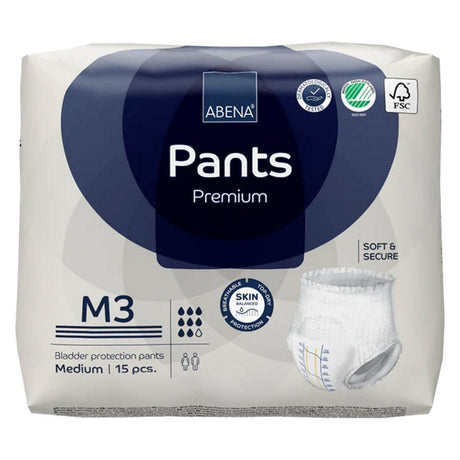
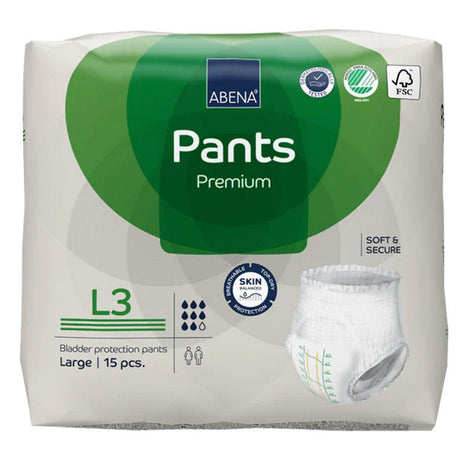
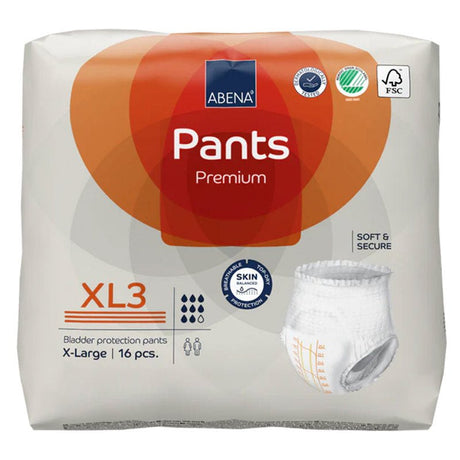
A pull-up diaper is an all-in-one solution that you put on like ordinary underwear. It can be practical if you would rather not position a pad inside your underwear, or if you need a more secure solution during the day or night. Choose the size using the size chart – both comfort and protection depend on the product fitting properly.
The most absorbent solution is not always the best one. A product that matches the amount you leak, feels comfortable and is easy for you to change is often the most useful choice for everyday life.
At night: Protect yourself and your bed
Night-time protection is not only about what you wear. A bed pad or mattress protector can protect the mattress and make it easier to deal with an accident without having to change all the bed linen. Washable protectors can be used again and again, while disposable pads can be practical during periods when you need extra protection or when travelling.
If you want to protect the entire mattress, waterproof sheets, mattress-topper covers and fitted solutions that stay in place on the mattress are also available. For a recliner, sofa or car, a smaller seat pad can provide simple extra protection.
View bed pads, incontinence sheets and seat pads →
When you are out or swimming
It can give you peace of mind to carry an extra pad or a spare pair of underwear in your bag when you go out. Choose clothing that is easy to take off and put on, and think ahead about where the toilets are if you will be away from home for a long time.
If you are going to the swimming pool or on holiday, incontinence swim briefs are available for use in water. They need to fit closely around the waist and legs to work as intended. Ordinary incontinence pads are not designed for use in water.
View incontinence underwear and swim briefs →
Odour and skin care: Small habits can make a big difference
Change your pad, underwear or pull-up diaper when necessary, and practise gentle, daily intimate hygiene. This helps keep your skin clean and dry. If your skin becomes red, sore or irritated, talk to your doctor or a nurse about the best way to care for it.
If you are concerned about odours in your home or on textiles, an odour eliminator that neutralises the smell can be a useful addition. It can be used once the source has been removed and the area cleaned – but of course it does not replace changing wet clothing, underwear or bed linen.
View odour eliminators for the home and textiles →
How to find the right solution
When there are many options to choose from, you do not have to find the perfect solution the first time. Instead, use these questions as a handy checklist:
- When does the leakage happen? Is it when you cough or move, when you suddenly feel the urge, at night or in several different situations?
- How much leakage is there? Small drips require something different from heavier leaks. Look at the stated absorbency rather than focusing only on the product’s size.
- What can you manage yourself? Consider whether you can easily position and change a pad, or whether a solution that you put on like underwear would be easier.
- Where will it be used? A solution for an active day, a long bus journey or the night does not necessarily have to be the same.
- How does it fit? Use the size chart and choose the right size. A product that fits well feels more comfortable and provides better protection.
Incontinence products offer reassurance – but you do not have to manage it alone
Incontinence is common, and you should not feel that you simply have to put up with it without seeking advice. A doctor can help identify possible causes and assess whether pelvic floor exercises, bladder training or other treatment may be relevant for you. A short bladder diary recording when you drink, use the toilet and experience leaks can also be a useful starting point for the conversation.
In the meantime, incontinence products can give you greater peace of mind in everyday life, so you can continue to sleep, visit friends and family, go for walks and take part in the things you enjoy.