
By nurse Anette Kjær Seidler, Seidlerprivatecare.dk
Roughly one in five adults in Denmark lives with pain that lasts longer than six months. The leading causes of chronic pain are conditions affecting the joints, back, and muscles.
Chronic pain is a deeply personal and complex experience—much more so than acute pain. There isn’t a universal solution that works for everyone, since our perceptions and reactions to pain are shaped by our individual senses and life experiences, even when facing similar challenges.
Like all sensations, pain is created and processed by the brain. If you fall and hurt yourself, the pain is a direct result of an injury. But if the pain lingers after six months, it’s no longer due to tissue damage. This does not mean you don’t feel pain—it means the pain may have a different origin. A combination of biological, psychological, and social factors all influence how you experience pain.
Pain is an unpleasant, conscious experience that the brain—or person—creates when, based on all available information, it determines that you need protection.
– Professor Lorimer Moseley
Recognizing this opens the door to effective pain management options—which go far beyond just medication and surgery.
5 Top Tips for Living with Chronic Pain:
- Prioritize quality sleep. Pain and fatigue feed into each other, creating a vicious cycle. When you’re tired, pain can feel more intense.
- Stay as physically active as you can. Exercise often helps ease pain. When you move, your brain releases natural pain-relieving hormones.
- Avoid addictive medications when possible. Such medicines can make it harder to stay active and social, and—for example—can prevent you from driving safely.
- Combine physical activity with breathing exercises. Breathing is fundamental, but not everyone does it optimally. Simple breathing routines can help you relax and reduce pain.
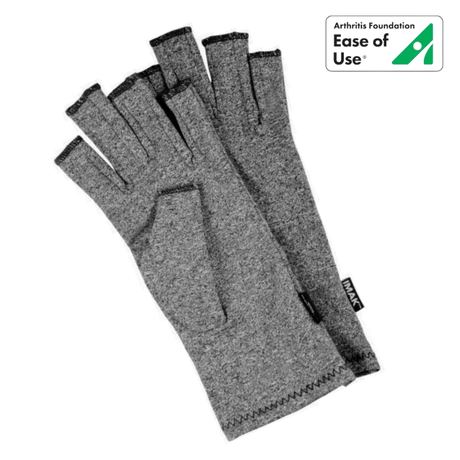
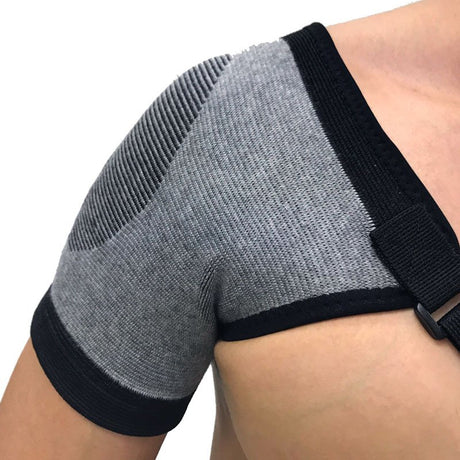
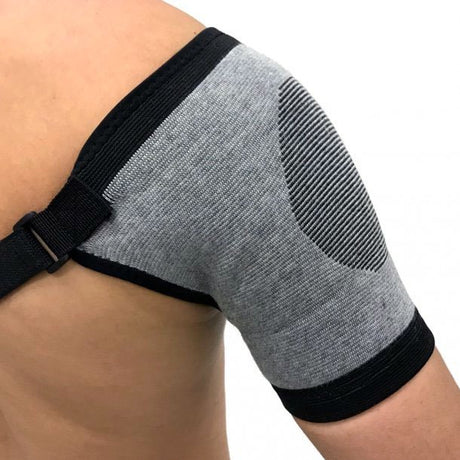
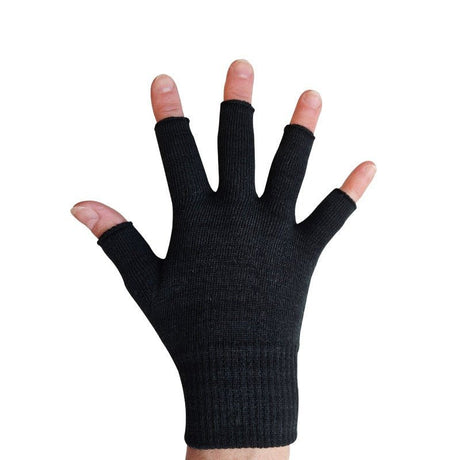
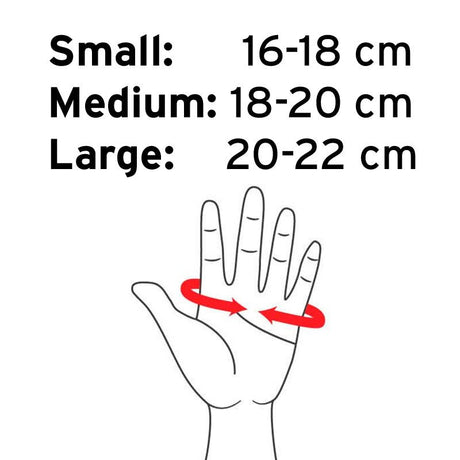
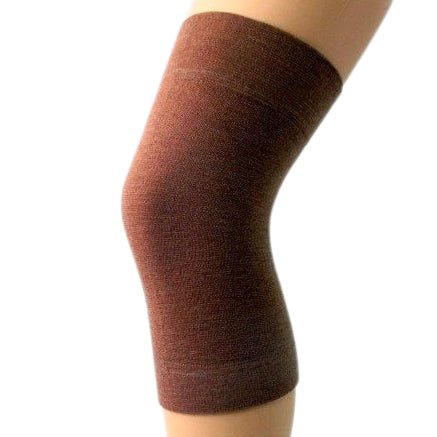
- Discover aids that help relieve your specific aches. There’s a range of products available—from supportive pillows to arthritis wraps and braces—many of which can be found at specialty stores.
Real-Life Example:
One of my patients, Ida (not her real name), suffers from chronic back pain. Her doctor prescribed Tramadol, a habit-forming opioid painkiller. She’s struggled with walking, often needing support to get from place to place, and has had repeated falls at home—one reason I was brought in as her private nurse.
Even while taking strong pain medication, Ida continued to suffer. Together with her doctor, we began carefully tapering the medication since it offered little benefit. At the same time, Ida started rehabilitation focused on improving her posture and making her walking more secure. We made sure her rugs were fastened safely to the floor, introduced a rollator for upright movement, and found the right shoes to help her walk confidently again.
Today, Ida no longer needs addictive medication. She walks upright with her rollator and no longer complains that pain is limiting her life. While the pain remains, it no longer controls her. Learning to thrive with chronic pain can take time, but with expert guidance and the right tools, a better life is within reach!
*Ida has given her consent to share her story.