
By Nurse Anette Kjær Seidler, Seidlerprivatecare.dk
At Seidler Private Care, we know that proper nutrition is the foundation for a good and dignified senior life. When it comes to nutrition for the elderly or ill, one nutrient stands out as the most essential: Protein.
Many of us grew up thinking a "proper" dinner includes potatoes and gravy. However, as we age or when the body is battling illness, our needs change. Protein is not just food—it's what your body uses to rebuild and repair itself.
Why is protein so important?
Protein is often called the "building blocks" of the body. This is because it's crucial for nearly everything in your body, including:
·Your Muscles: Without enough protein, we lose muscle mass. This can make us weaker, increase the risk of falls, and make daily tasks more challenging.
·Your Immune System: Antibodies that fight infections and viruses are made of proteins.
·Wound Healing: If you have a wound or have had surgery, your body needs extra protein to rebuild tissue.
Why do seniors need more?
It might seem counterintuitive that you need more protein if you're possibly less active. But there's a biological explanation.
When you reach 60-65 years, you experience what experts call anabolic resistance. In short, your body becomes less efficient at converting the protein you eat into muscle. That's why a larger amount is needed to achieve the same effect as in a younger person.
When ill, the need increases even more. The body goes into a "stress state," breaking down muscle mass to get the energy and amino acids needed to fight the illness. Without extra dietary protein, muscles shrink rapidly—a condition known as sarcopenia.
How much protein should you consume?
For healthy adults, it's often recommended to have about 0.8 grams of protein per kilogram of body weight. But for seniors and the ill, experts suggest significantly more:
|
Condition |
Recommended Protein Amount |
|
Healthy Senior (65+) |
about 1.1 - 1.3 g per kg body weight |
|
During Illness or Recovery |
about 1.5 - 2.0 g per kg body weight |
If you weigh 70 kg and are a healthy senior, aim for about 80-90 grams of protein daily.
Helpful tips for everyday life
If appetite is lacking, getting enough can be tough. Here are three easy tips:
1.Protein with every meal: Spread it out. Your body can utilize protein better when consumed throughout the day rather than all at once.
2.Choose "rich" sources: Eggs, meat, fish, poultry, dairy products (especially skyr and cottage cheese), beans, and lentils are excellent sources.
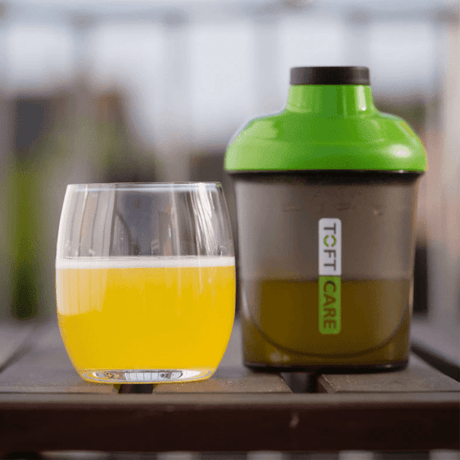
3.Drink your proteins: If solid food feels heavy, try a cold drink, a protein smoothie, or good old-fashioned chocolate milk.
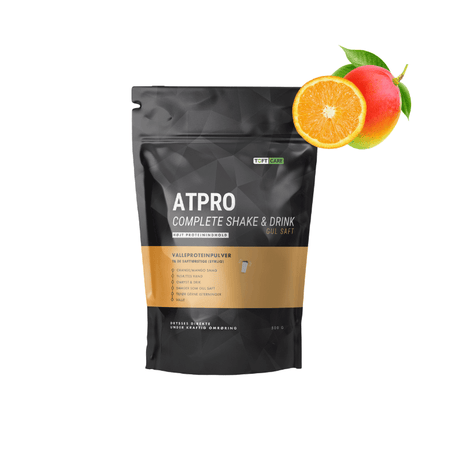
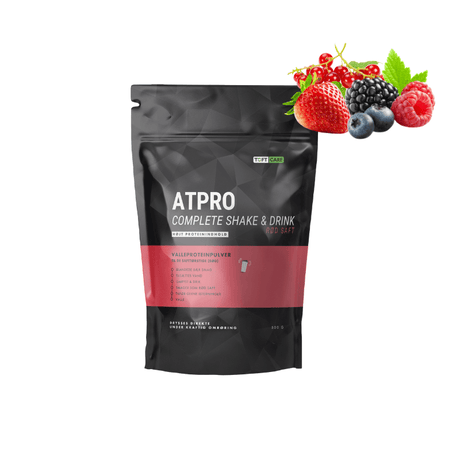
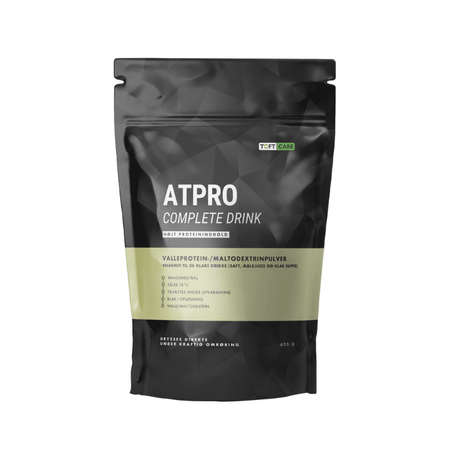
There are also specialized products that can be stirred into your coffee, juice, soup, or porridge. They withstand both cooking and freezing, making it incredibly easy to boost the protein content in your favorite meals without changing the taste or filling you up more.
Remember: Every little bit helps! Even an extra slice of cold cuts or an egg at lunch can make a noticeable difference in your strength and health!
At Seidler Private Care, we're always ready to guide you or your loved ones on how best to support a healthy and strengthening lifestyle.