
By specialist in geriatric medicine, Mikkel Ibsen, Ældrelægen.dk
At some stage, many seniors notice that they're becoming a bit less steady on their feet. You might walk more slowly, reach for the wall for balance, or avoid going out when the ground is uneven. However, balance problems aren’t just a natural part of aging — they’re your body’s way of telling you it needs some extra support.
Why Balance Becomes Challenging
Balance relies on different systems working together: your eyes, ears, nerves, and muscles. As we grow older, our eyesight can worsen, reflexes might slow, and our muscles can lose strength.
That’s why it becomes easier to lose your footing, especially if you feel tired or dizzy.
When Fear of Falling Sets In
If you've ever experienced a fall, the fear of it happening again can be strong. This can lead many people to move less — which, unfortunately, actually weakens balance even further.
This can create a difficult cycle: moving less can make you feel even more unstable, which increases the likelihood of another fall.
How to Rebuild Your Balance
The good news is there’s plenty you can do yourself:
- Incorporate simple balance exercises into your daily routine — for example, stand on one leg for a moment, or walk heel-to-toe across the living room.
- Choose shoes with firm heels and non-slip soles for extra stability.
- Remove any loose rugs and make sure your home is well-lit.
- If you often feel dizzy, have your vision and medications checked.
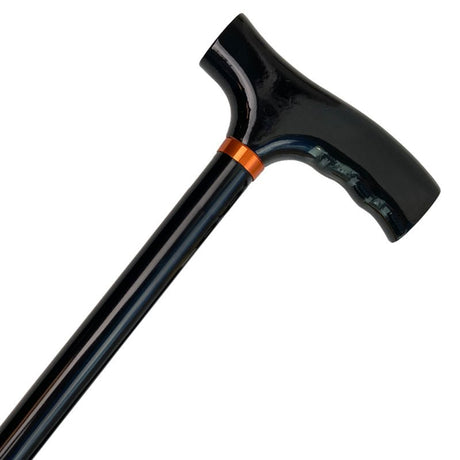
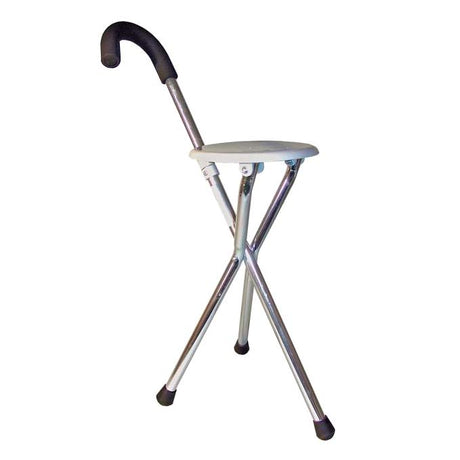
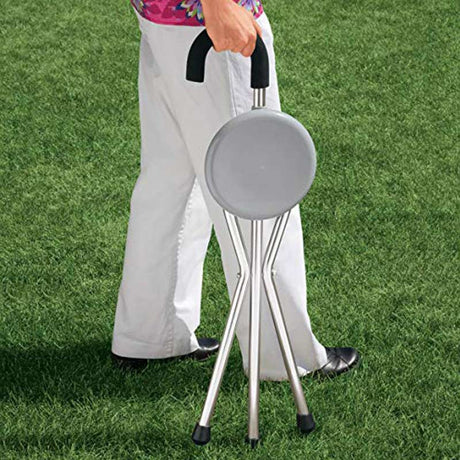
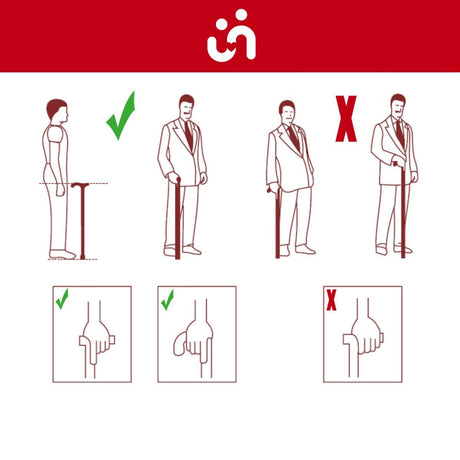
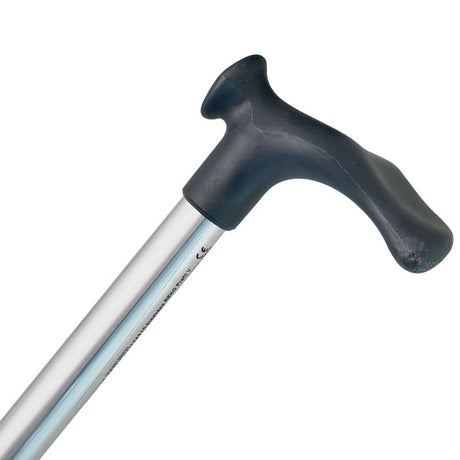
- Use support if it makes you feel safer — such as a cane or rollator. This isn’t a setback, but a way to stay independent and confident.
Staying Steady in Everyday Life
Balance isn’t only about physical strength—it's about feeling secure and having the confidence to move. The more you keep moving, the stronger and healthier you’ll be, both in body and mind.
Holding onto your courage and your ability to get around can be the key to staying active and preserving your independence for years to come.