
By nurse Anette Kjær Seidler, Seidlerprivatecare.dk
Staying active is vital for both our physical and mental wellbeing, no matter our age. Simply taking a walk in nature can have a profound positive impact and is often considered one of the key ingredients for a fulfilling life.
Quality of life isn’t just about the absence of illness—it’s also about enjoying small everyday pleasures, like a stroll outdoors. Research shows that time in nature awakens our senses, lifts our spirits, and actively reduces stress, as cortisol levels decrease when we're outside. Immersing ourselves in nature gives us a sense of belonging and connection, a feeling deeply rooted in us all, bringing calm and balance to mind and body.
People of all ages might need support regaining strength and mobility after an injury, surgery, or hospital stay. Throughout the rehabilitation process, various aids can help—sometimes just temporarily, sometimes for longer periods. The positive effects of nature on stress, depression, anxiety, PTSD, dementia, and other conditions are increasingly shaping the way we approach treatment and recovery.

Real-life example:
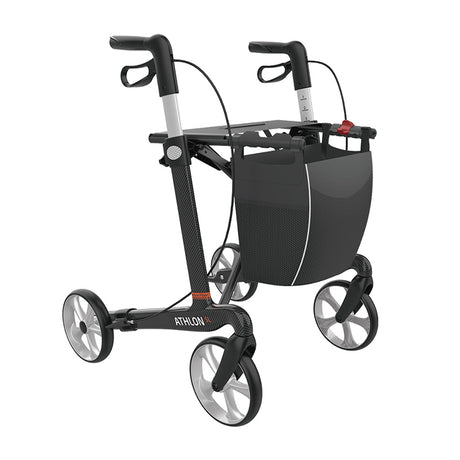
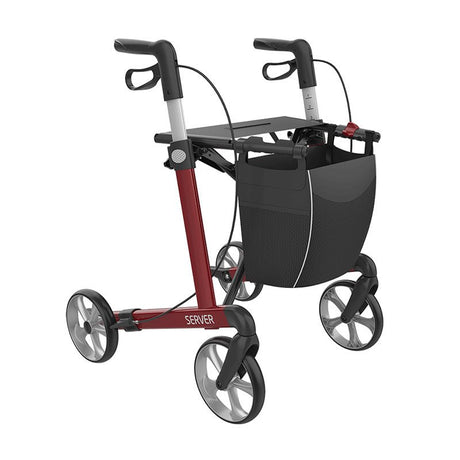
As a private nurse, I visit Ida (name changed), after her family let me know she was struggling to walk following a hip operation. My goal is to support Ida’s rehabilitation. She lives in a beautiful home near nature she once enjoyed frequently. Now, she walks with difficulty and depends on her rollator for moving around indoors—her steps clearly show a need for further rehab. During our first talk about her recovery, Ida is hesitant and doubts whether she’ll be able to manage walking outside on her own again. The thought of being safely outdoors fills her with anxiety.
Ida shares that she hasn’t left her house in over three months, due to mobility challenges, fear of falling, and not having anyone nearby to accompany her. Knowing how important it is for mental health to get outside and be among others, I arrange for a rental wheelchair the same day. I help Ida get ready, and together we venture out into the lovely surroundings of her home. Tears run down Ida’s cheeks—not from the chill, but from pure joy at feeling the wind in her hair, hearing the ducks at the pond, the rustle of leaves, the earthy scents, and laughter of children from the playground nearby. That walk reignites Ida’s motivation for rehabilitation, and her eyes now sparkle with hope at the idea of being able to go outside again.
Today, Ida’s recovery is going well—the wheelchair is returned, and she cherishes her time in nature again. Even if not every day, she’s out several times a week, supported by her rollator, her renewed strength, and the beauty all around her.
*Ida has kindly given consent for her story to be shared.